Cyntara
Cyntara
Cyntara
High-density nodes optimized for software-defined load balancing, storage scaling, and enterprise applications.
In the era of hyper-distributed data pipelines, Kubernetes containerization, and low-latency AI inference workloads, the role of load balancing has evolved from standard port forwarding to intelligent application delivery control (ADC). Standard hardware controllers are being replaced by highly programmable, hardware-accelerated nodes that can orchestrate millions of concurrent connection requests in milliseconds.
As a leading hardware platform innovator based in China, Cyntara Technologies Inc (Brand: CyntaraAI) provides the high-performance computing foundation necessary to run software-defined load balancing, high-density traffic distribution, and complex reverse-proxy tasks. By designing and manufacturing bare-metal rack units with optimal network interface density, CyntaraAI enables global systems integrators to deploy robust routing topologies that support critical data-plane operations without latency overhead.
The future of load balancing lies at the convergence of hardware acceleration, machine learning optimization, and high-bandwidth network fabrics.
Standard CPUs are increasingly bottlenecked by processing SSL/TLS terminations and routing lookups. The integration of Smart Network Interface Cards (SmartNICs) and Data Processing Units (DPUs) offloads traffic processing from the main system CPU. This architecture enables hardware-based packet filtering, encryption, and flow tables, resulting in sub-microsecond latency profiles for enterprise applications.
By leveraging integrated AI co-processors and deep learning nodes, load balancers can run predictive traffic-shaping algorithms. Instead of relying on passive polling (like round-robin or least-connections), next-gen hardware continuously forecasts traffic surges, dynamic user load distribution, and node failures, redirecting flows proactively.
Modern application delivery controllers serve as the front line of network security. Future roadmaps merge load balancers with Secure Access Service Edge (SASE) capabilities, inspecting traffic at the hardware boundary. Real-time threat detection and packet scrubbing prevent DDoS vectors directly at the edge nodes.
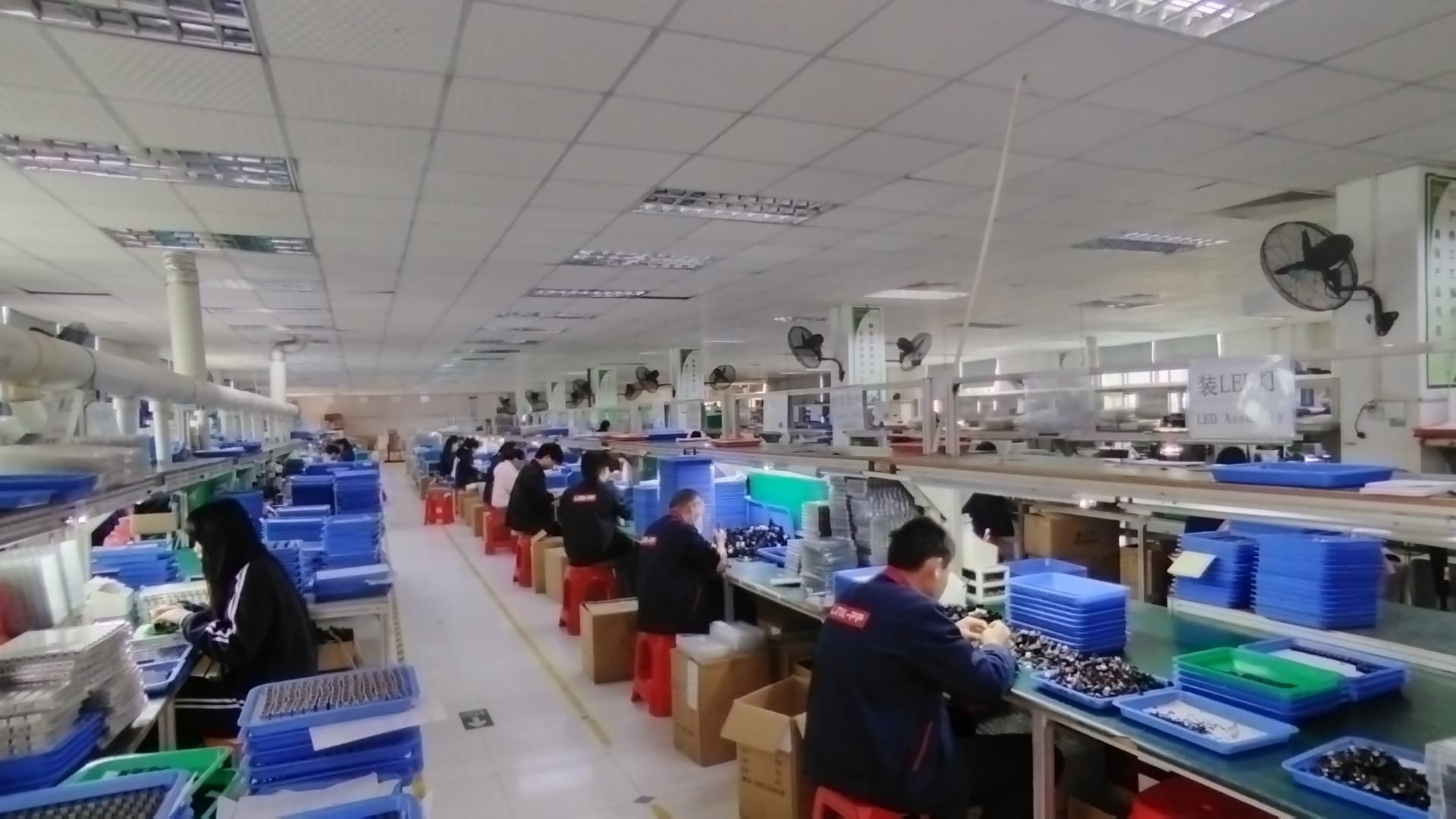
Operating from a state-of-the-art facility of 18,600㎡, CyntaraAI combines manufacturing precision with deep vertical integration. The hardware supply chain for servers and load-balancing controllers demands high stability, and CyntaraAI’s established relationships with approximately 860 partners guarantee raw component supply continuity even during turbulent market conditions.
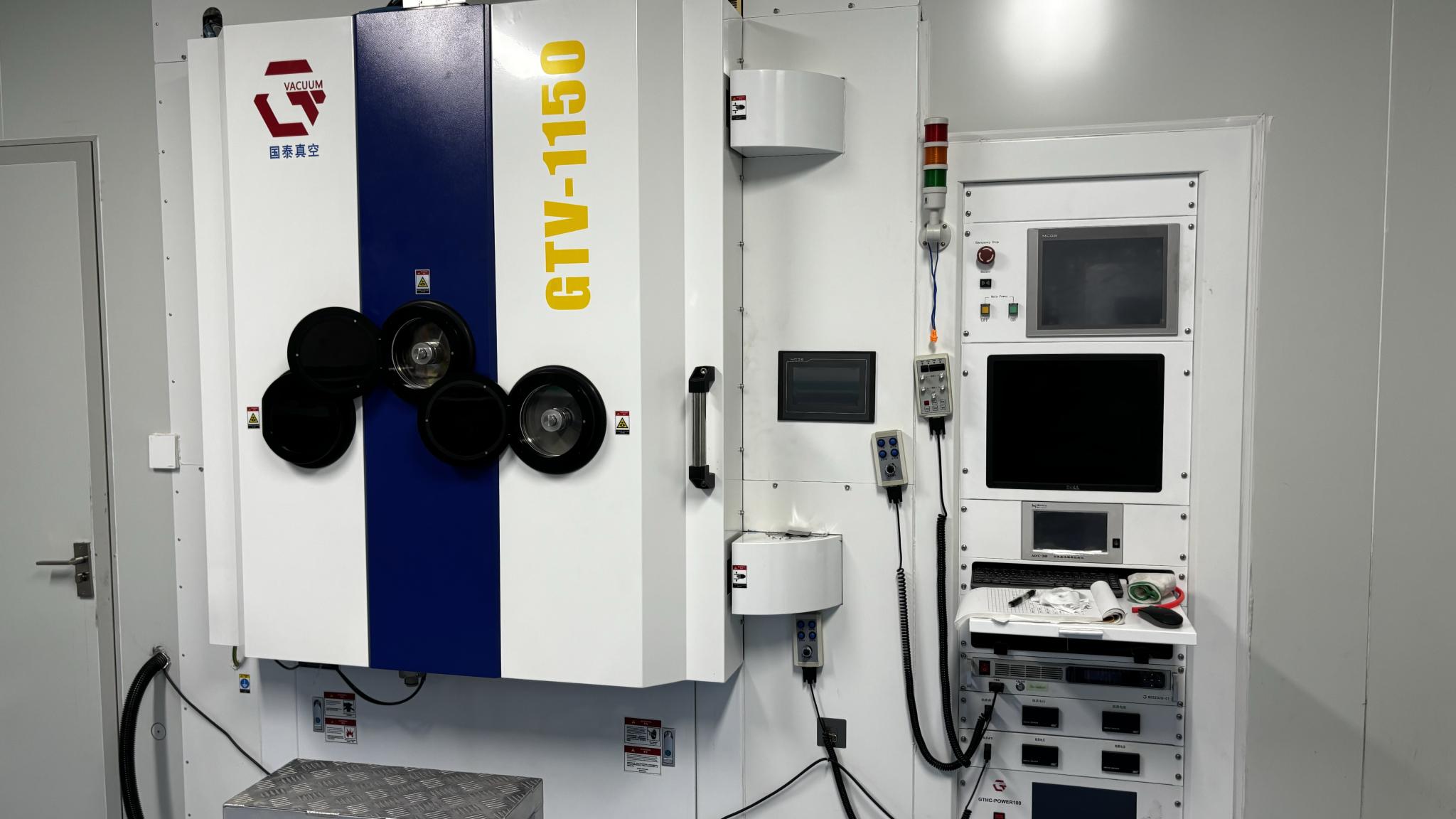
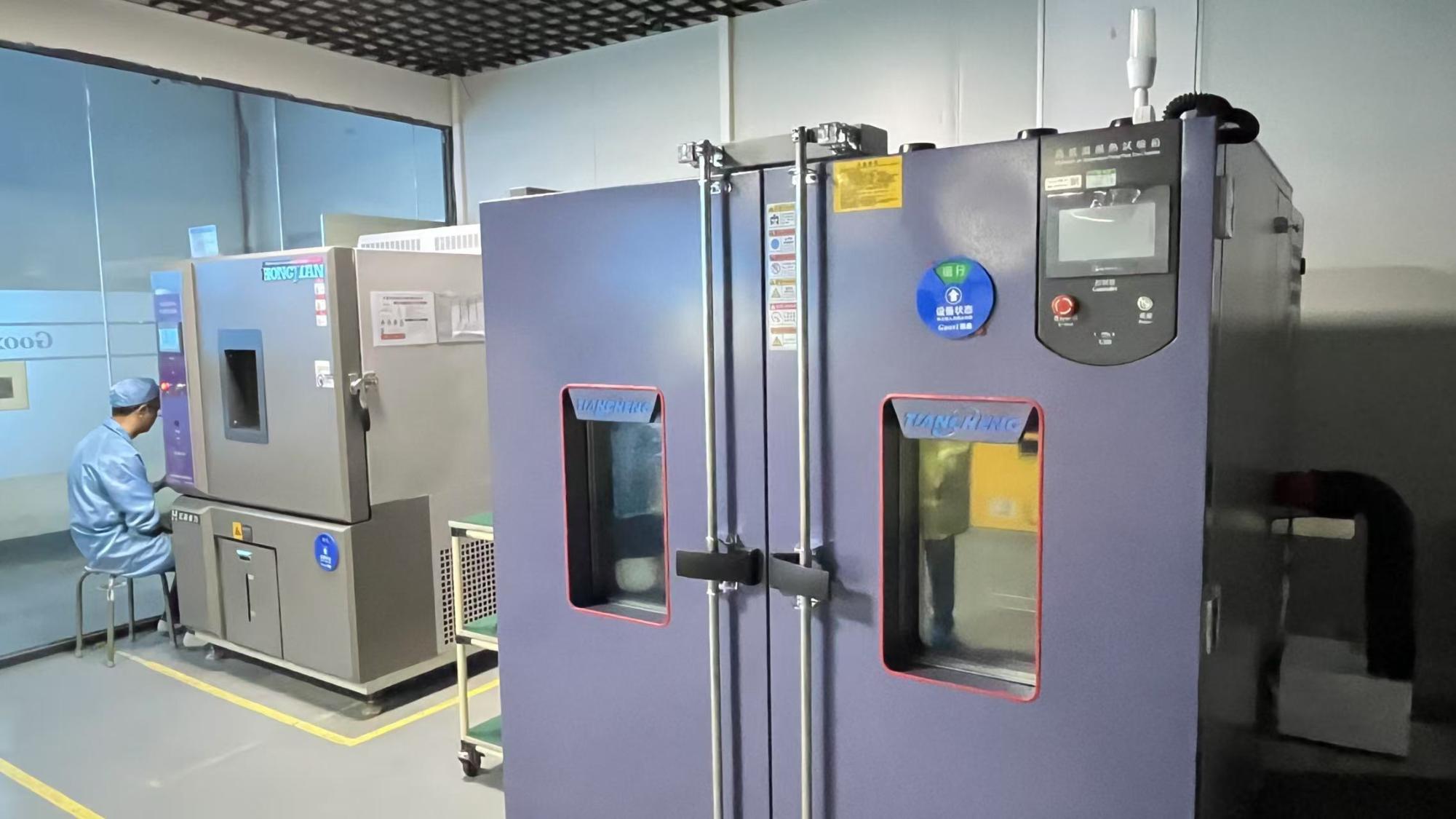
Our Factory 4.0 model leverages advanced Automation Systems and Automated Optical Inspection (AOI) lines. Every unit undergoes strict quality protocols including long-duration thermal stress testing, high-frequency signal integrity scans, and hardware-level burn-in procedures before dispatch. Supported by a professional testing team of 45 specialized inspectors, we enforce ISO 9001 and strict AQL sampling standards.

Optimized hardware topologies customized for vertical-specific load management constraints and operational metrics.
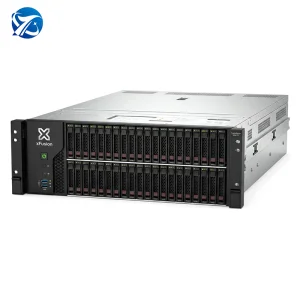
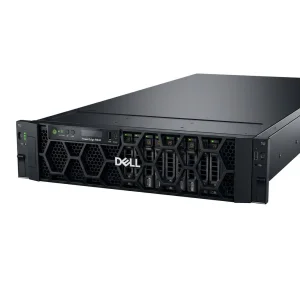
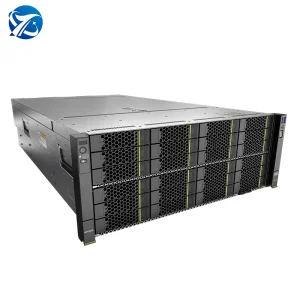
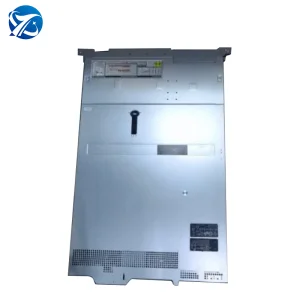
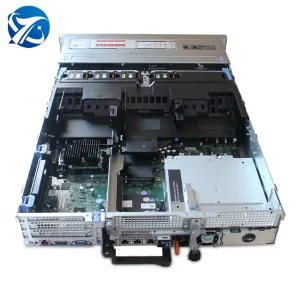
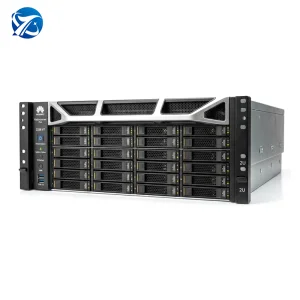
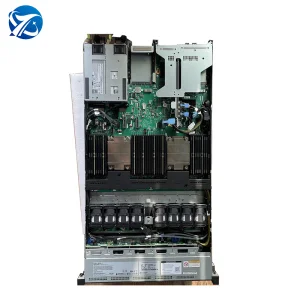
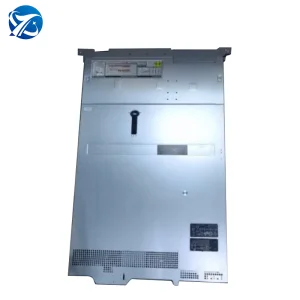
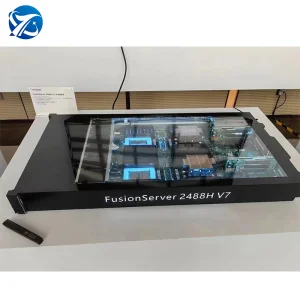
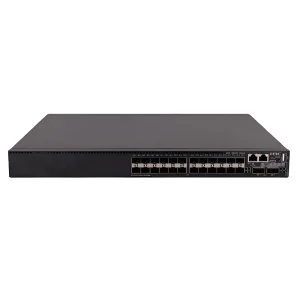
Handling east-west traffic within the data center requires extreme fabric efficiency. Our chassis designs integrate smoothly with spine-leaf network layouts. Through the deployment of high-throughput switches and 2U/4U computing platforms, infrastructure teams can establish highly resilient software-defined load-balancing layers that scale compute pools dynamically.
Multi-tenant cloud architectures demand robust network isolation and individual resource limits. The hardware platform must handle hundreds of thousands of Virtual IPs (VIPs). Our optimized rack servers, with up to 256GB/512GB of high-speed RAM and multi-core Xeon architectures, provide the processing overhead required to route tenant traffic without packet degradation.
For financial systems, microsecond delays lead to trade execution failures. CyntaraAI customizes low-latency bare-metal server chassis, tuning bios configurations, and integrating hardware-level bypass network cards to facilitate trade flow prioritization and zero-loss failover transitions.
Deploying hardware nodes internationally requires adherence to strict local safety, electromagnetic, and environment protection requirements. CyntaraAI platforms align with international standards:
Hardware deployment is only the first step. To ensure ongoing operational reliability, global B2B procurement partners require rapid localized technical support. CyntaraAI offers localized logistics hubs and partnerships across major tech corridors in North America, Europe, Southeast Asia, and the Middle East.
Supported by a comprehensive R&D engineering pool of 160 designers, CyntaraAI offers direct firmware-level tuning, BIOS-level overrides, and rapid hardware replacement guarantees. Through integrated remote monitoring protocols, customer IT teams can query health metrics via IPMI and Redfish APIs, allowing real-time telemetry diagnostics.
A structured outline of critical checkpoints procurement directors must evaluate to maximize infrastructure investment returns.
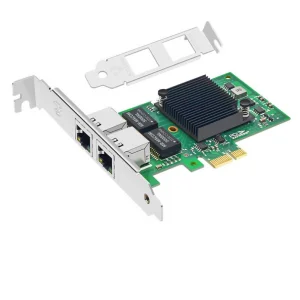
Ensure the physical platform supports PCIe Gen 4.0 or Gen 5.0 to handle high-bandwidth NICs. Evaluate port configurations: check if the design allows expansion risers for dual-port 100GbE QSFP28 modules to futureproof the infrastructure.
Modern CPUs running intensive packet-routing kernels run hot. Assess standard chassis cooling CFM ratings. If deploying in high-density computing clusters, evaluate CyntaraAI's advanced liquid cooling solutions to minimize PUE values.
Validate if the manufacturer supports custom IPMI, PXE boot customization, and custom branding labels. Over the past fiscal year, CyntaraAI has successfully designed and shipped over 120 customized SKU products tailored to specific client workloads.
Answers to critical technical and logistical questions for international procurement teams.
Our server hardware architecture is built to support extreme network throughput and low CPU overhead. For L4 load balancing (which relies on TCP/IP fields), our motherboards are validated to support high-performance PCIe Gen 4/5 SmartNICs with SR-IOV capability, bypassing the hypervisor to write directly to system memory. For L7 application routing (which requires looking at HTTP headers and SSL decryption), CyntaraAI systems feature dual-socket Intel Xeon processors and high-speed DDR5 RAM configurations, allowing fast memory access and efficient execution of CPU-heavy encryption tasks.
Backed by our 18,600㎡ manufacturing facility and a team of 160 R&D engineers, we handle custom hardware configuration with agility. Our normal cycle from layout validation to sample prototyping takes between 2 to 4 weeks. For batch production, our supply network of 860 partners ensures we can output high volumes with a standard lead time of 4 to 6 weeks, depending on component specifications. All products are fully backed by our 45-person quality inspection team.
Quality control follows ISO 9001 standards with full-process inspection and AQL sampling methods. Every GPU and network server goes through structured diagnostic loops before shipment, including a 24-hour component-level burn-in test, extreme thermal chamber testing (up to 45°C continuous), power fluctuation simulations, and Automated Optical Inspection (AOI) for circuit consistency. This rigorous testing routine ensures that incoming hardware arrives on-site ready to deploy immediately into production datacenters.
Yes. With 7 years of direct export experience and $18 million in annual export sales, CyntaraAI maintains regional agreements with enterprise distribution networks across North America, Europe, and Asia. We can establish dedicated spare-pool buffers in local regions to enable fast hardware replacement (RMA) services, reducing operational downtime to next-business-day response windows for qualifying SLA partnerships.
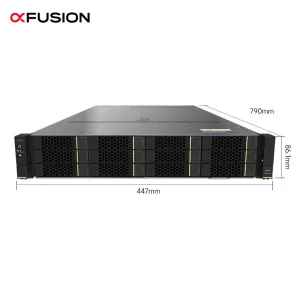
High-bandwidth switches and enterprise rack platforms supporting scalable traffic distribution layers.