Cyntara
Cyntara
Cyntara
In the era of Industrial 4.0, manufacturers and exporters are no longer tethered to single-site data centers. The transition to a Multi-Cloud Strategy is driven by the need for operational resilience, data sovereignty, and the explosive growth of AI-driven supply chain optimization. For a global exporter, the ability to orchestrate workloads across AWS, Azure, Google Cloud, and private localized nodes (like those powered by CyntaraAI infrastructure) is the difference between market leadership and obsolescence.
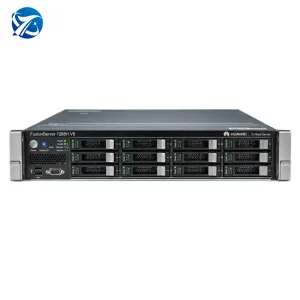
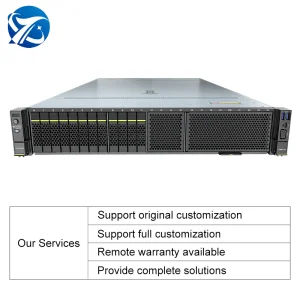
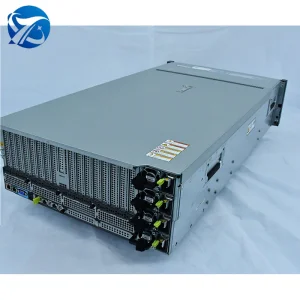
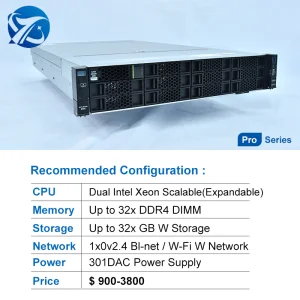
Manufacturers should dynamic allocate computing tasks based on cost and performance. By using high-performance servers like the FusionServer 2288H V5, companies can maintain a private cloud for steady-state workloads while bursting to public clouds during peak demand.
Exporters dealing with EU or Chinese markets must comply with GDPR and local Data Security Laws. Multi-cloud allows storing sensitive PII data on local on-premise infrastructure while using global clouds for non-sensitive analytics.
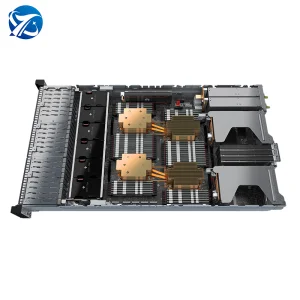
Deploying AI GPU servers (like the xFusion G5500 V6) at factory sites enables real-time quality inspection. Syncing this data to a central multi-cloud hub ensures global visibility without the latency of total cloud dependence.
Abstracting your containerized applications (using Kubernetes) allows exporters to move workloads between providers seamlessly. This strategy prevents reliance on a single provider's pricing whims or regional outages.
Modern manufacturing demands 99.99% uptime. A multi-cloud strategy ensures that even if a major region (e.g., US-East-1) goes down, the supply chain management system automatically pivots to an alternative provider or local private node.
By placing storage nodes closer to the "Factory of the World" (China) and distribution hubs (Europe/USA), exporters reduce data lag, improving the response time of ERP and PLM systems for global teams.
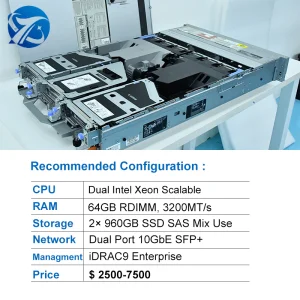
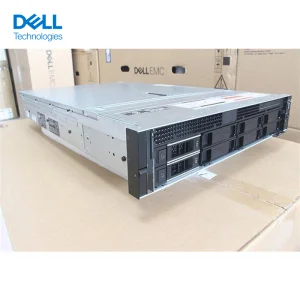
Implementing a cross-cloud security framework ensures that firewall rules, identity management, and encryption protocols are consistent across all platforms, including on-premise Dell PowerEdge R660 rack units.
A multi-cloud approach enables "Financial Operations" where you select the most economical storage tier (Cold vs. Hot) across different providers based on current export volumes and data access frequency.
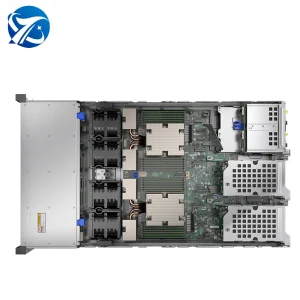
Bridging legacy factory hardware with modern SaaS platforms. Utilizing high-density rack servers allows for the virtualization of legacy industrial protocols, translating them for cloud-based AI analysis.
Selecting cloud regions and hardware partners (like CyntaraAI with advanced thermal management) that prioritize liquid cooling and renewable energy to meet corporate ESG targets.
As a leading AI GPU server manufacturer, CyntaraAI leverages the unique ecosystem of the Shenzhen-Hong Kong-Guangzhou manufacturing hub. This proximity allows for:
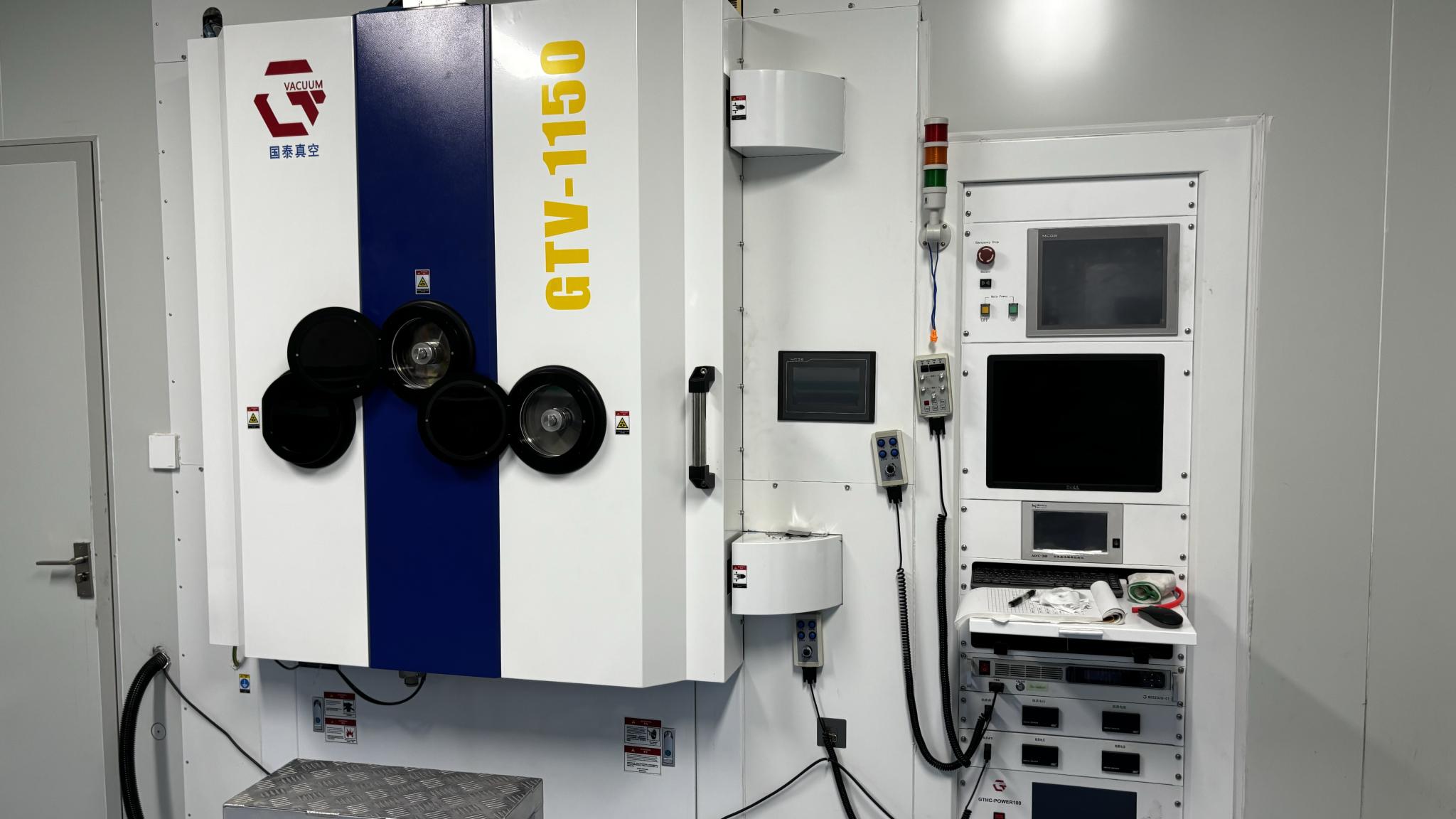

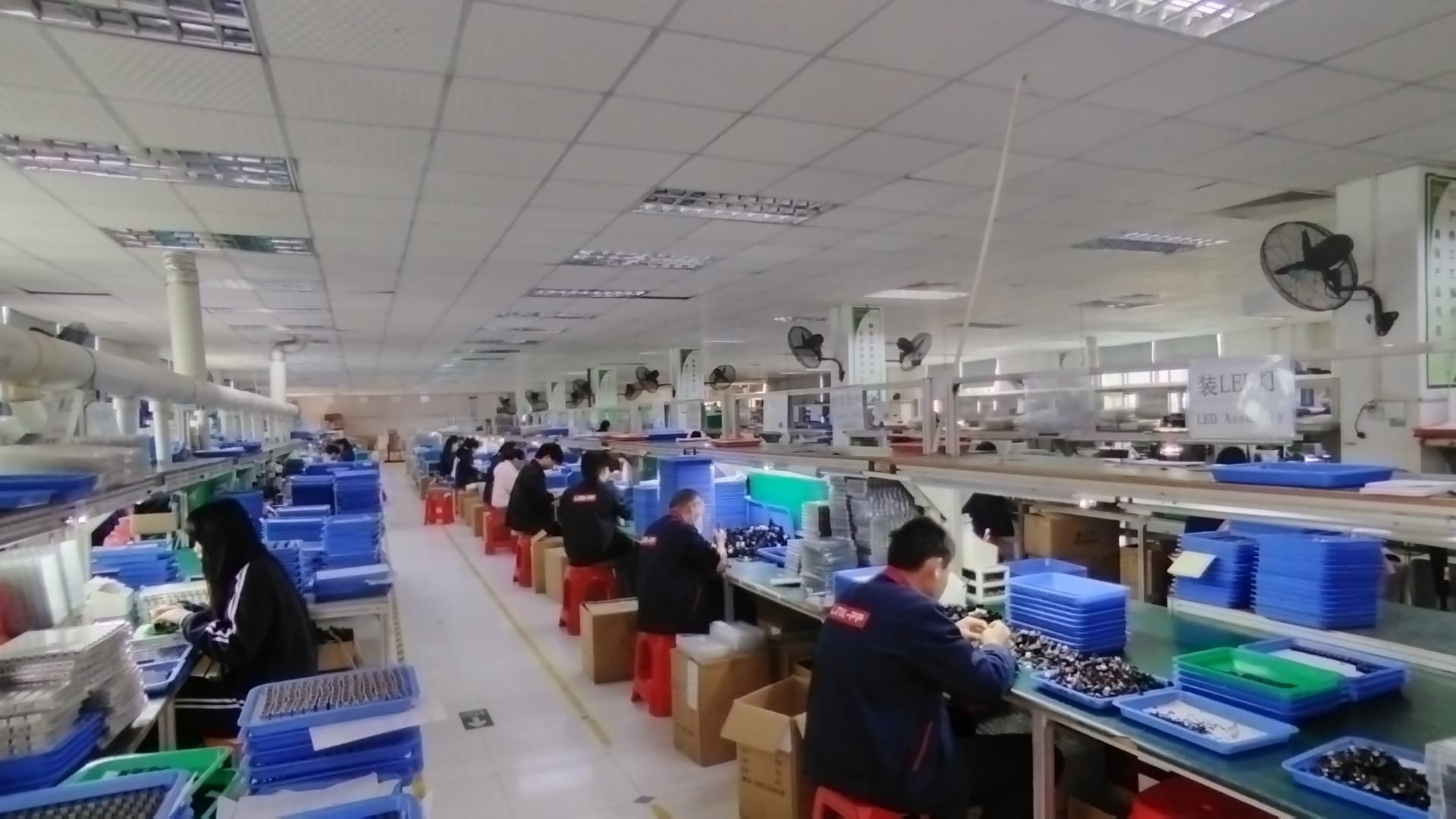
For manufacturers expanding into North America, Europe, and Southeast Asia, localized support is not a luxury—it's a requirement. CyntaraAI ensures that all hardware exports meet international standards:
Full compliance with ISO 9001, CE, and FCC certifications. Our quality team of 45 inspectors utilizes AQL sampling to ensure every server destined for a global data center is defect-free.
Through our international trade network, we provide technical documentation and firmware-level tuning optimized for regional ISP requirements and power grid variations.
We provide hybrid cloud building blocks that allow exporters to keep data within national borders, fulfilling local data residency requirements without sacrificing global management capabilities.
The procurement of AI infrastructure is shifting from "commodity buying" to "strategic partnership." Here are the trends shaping the industry:
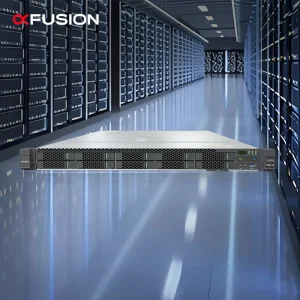
Nations are investing in their own AI infrastructure. Procurement teams are moving away from total cloud reliance toward "Sovereign Clouds" built on high-performance hardware like the xFusion FusionServer 1288H V7.
With the integration of Deepseek and other AI models into manufacturing workflows, the demand for high-density 2U-4U GPU servers is skyrocketing. CyntaraAI is at the forefront, focusing R&D on thermal management for these intensive workloads.
Enterprise buyers are diversifying their hardware suppliers. By partnering with direct manufacturers like Cyntara Technologies Inc, buyers eliminate middleman markups and gain direct access to engineering support.
Utilizing 1U rack servers for local edge analytics to manage automated guided vehicles (AGVs) in high-humidity environments, syncing metadata to a global multi-cloud hub.
High-reliability Dell and xFusion nodes processing sensor data on the factory floor to predict machine failure before it happens, minimizing downtime for precision exporters.
Hosting central ERP databases on a hybrid multi-cloud setup that ensures sub-millisecond access for distributed sales offices across the US and Canada.
Multi-cloud provides redundancy, avoids vendor lock-in, and allows you to place data in specific geographic regions to comply with local laws and reduce latency for global customers.
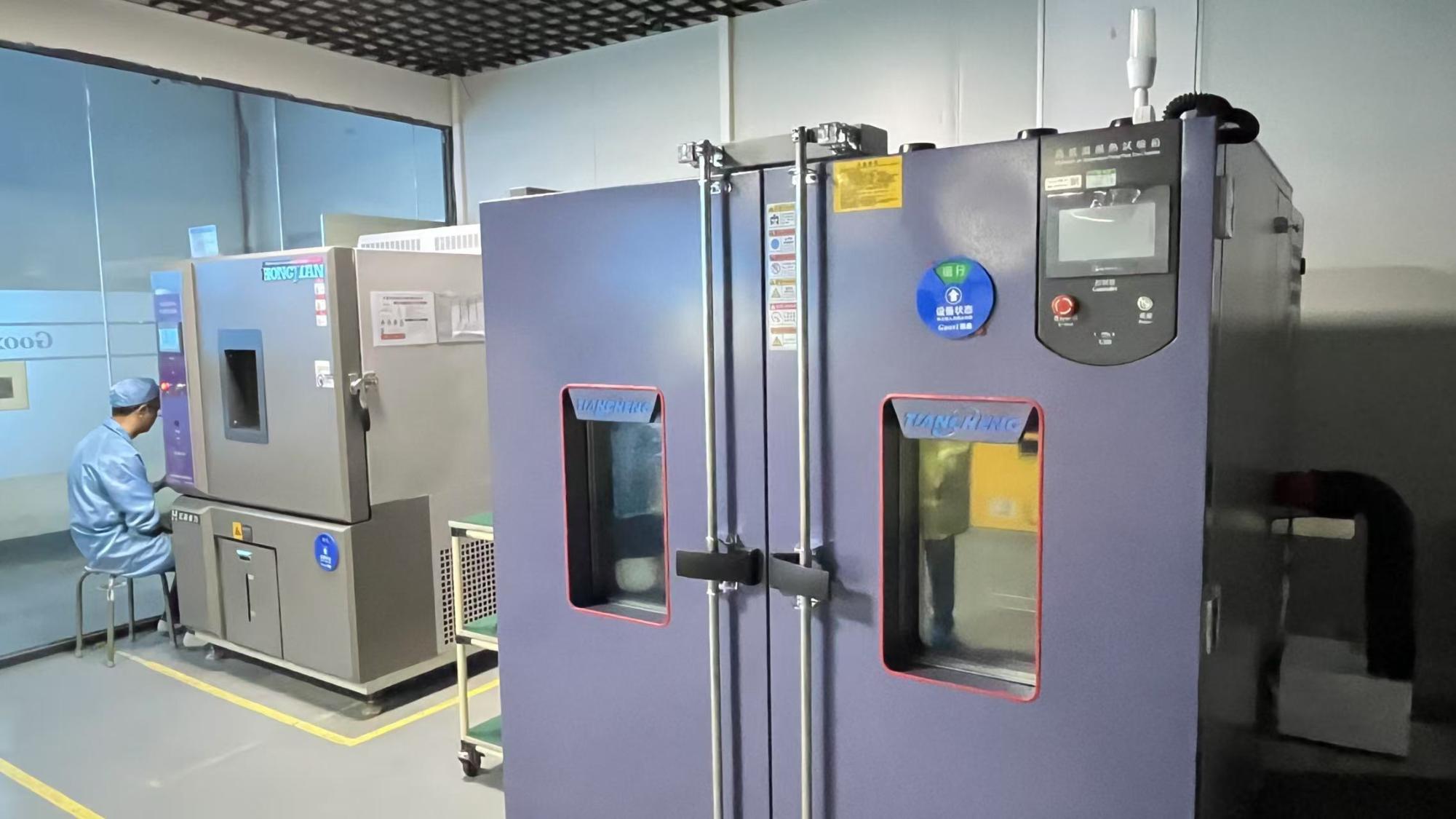
We follow strict ISO 9001 standards, employing full-process inspections, burn-in testing, and thermal stress testing, managed by a dedicated team of 45 quality inspectors.
Yes, we offer flexible OEM/ODM services, including specialized chassis design, liquid cooling integration, and firmware-level tuning for specific AI workloads.
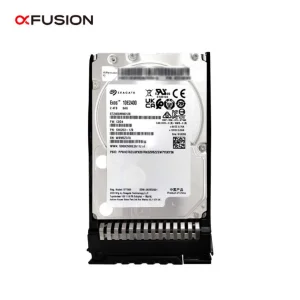
xFusion servers offer exceptional reliability and energy efficiency, making them ideal for the "Private Cloud" portion of a hybrid multi-cloud strategy, especially for data-intensive manufacturing tasks.
CyntaraAI is a professional AI GPU server manufacturer specializing in high-performance computing infrastructure. With 12 years of industry experience and a robust R&D facility of 18,600㎡, we power the next generation of global AI and data center applications.
Brand: CyntaraAI | Website: https://cyntaraai.com
Expertise: GPU architecture optimization, high-density computing design, thermal management systems, and distributed AI computing frameworks. Our annual export revenue reaches USD 18 million, serving North America, Europe, Southeast Asia, and the Middle East.