Cyntara
Cyntara
Cyntara
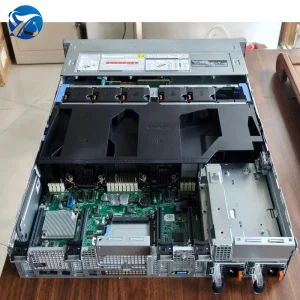
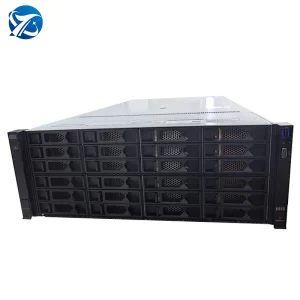
Explore our premium select range of high-density computation, storage, and networking hardware designed for intensive cloud applications and machine learning workloads.
Evaluating the tectonic shift towards AI cluster interconnectivity and high-performance throughput demands.
Modern Large Language Models (LLMs) require distributed training clusters where thousands of GPUs communicate in parallel. Traditional leaf-spine architectures are shifting rapidly toward non-blocking fabrics running ultra-low latency protocols to avoid synchronization bottlenecks.
Data residency acts, GDPR compliance, and edge AI workloads are driving regional telecom operators and localized enterprises to deploy proprietary data infrastructures. Having custom, agile hardware solutions that scale efficiently is critical for localized deployments.
At current transfer standards of 400G and 800G, passive copper systems struggle to maintain signal integrity over longer spans. Sourcing high-quality Active Electrical Cables (AEC) and optical modules has become the leading supply chain priority for global hyper-scalers.
Our strategic vision details the convergence of networking speeds, silicon photonics, and liquid cooling architectures.
As networks navigate beyond the 400G horizon, processing nodes demand optimized host interfaces. Standard PCIe Gen 5 is rapidly making way for PCIe Gen 6, allowing network interfaces (NICs/DPUs) to fully feed the 800Gbps switches. This transition significantly lowers serialization latency and cluster-wide synchronization delays.
High-Performance Computing (HPC) relies heavily on Remote Direct Memory Access (RDMA) to bypass operating system overheads. Designing infrastructure that natively accommodates both InfiniBand clusters and RDMA over Converged Ethernet (RoCE v2) guarantees that B2B clients maintain agility regardless of the selected framework.
Traditional pluggable optical transceivers face physical power and thermal efficiency challenges at extreme densities. Moving toward Co-Packaged Optics places the optical engines on the same substrate as the ASIC, cutting power usage by up to 30% and eliminating high-frequency PCB trace loss.
With per-cabinet power demands reaching up to 100kW, standard forced-air cooling is no longer sufficient. Modern data center architectures integrate direct-to-chip liquid cooling manifolds and rear-door heat exchangers (RDHx) directly within the server and switch racks to maximize efficiency.
Cyntara Technologies Inc (Brand: CyntaraAI, Website: https://cyntaraai.com) is a professional AI GPU server manufacturer specializing in high-performance computing infrastructure for global AI and data center applications.
Established on August 15, 2016, Cyntara Technologies Inc operates a modern manufacturing and R&D facility with a total building area of approximately 18,600㎡. With 12 years of industry experience and 7 years of export experience, CyntaraAI has established a strong presence in the global AI hardware market, generating an annual export revenue of approximately USD 18 million.
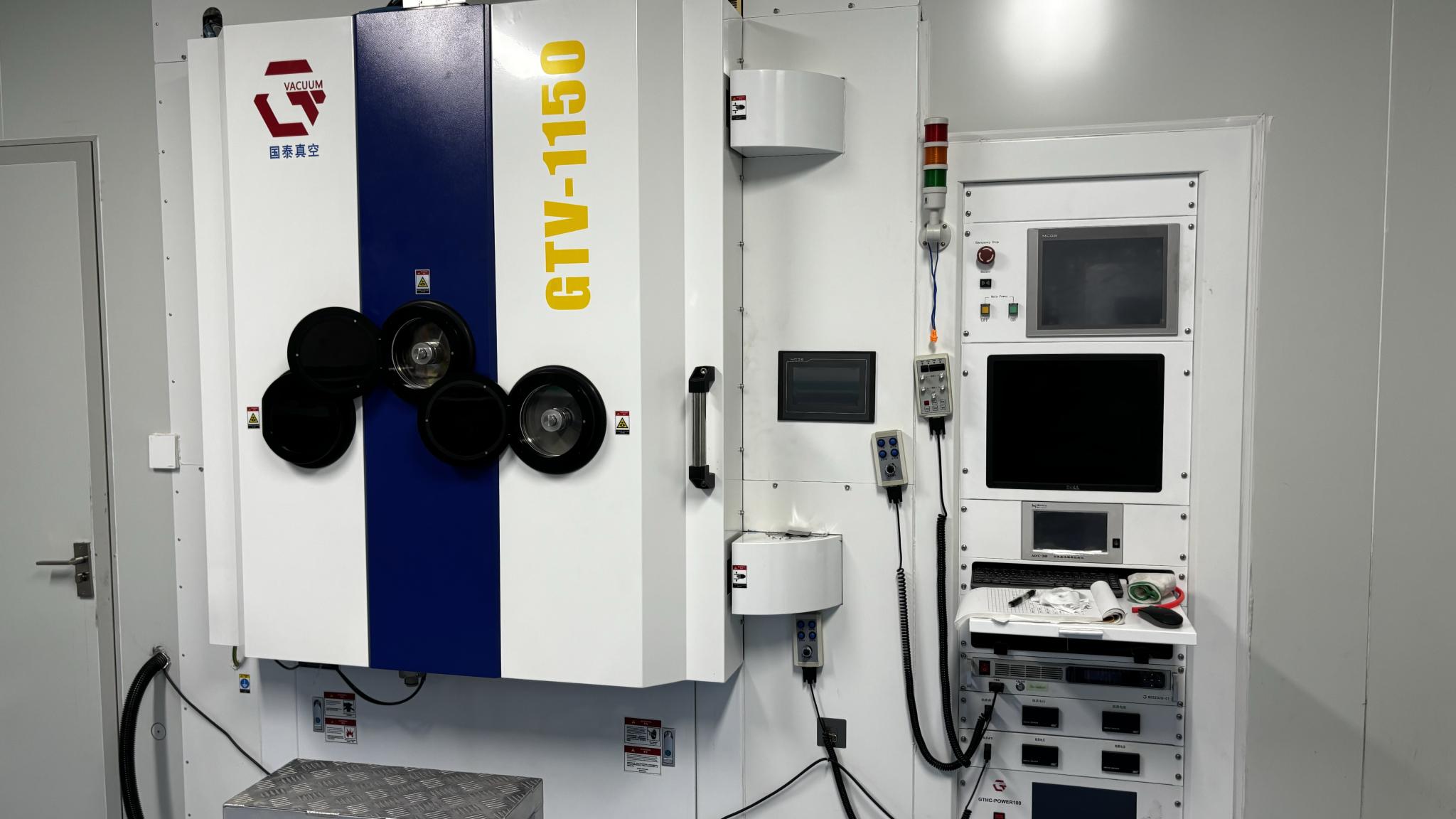

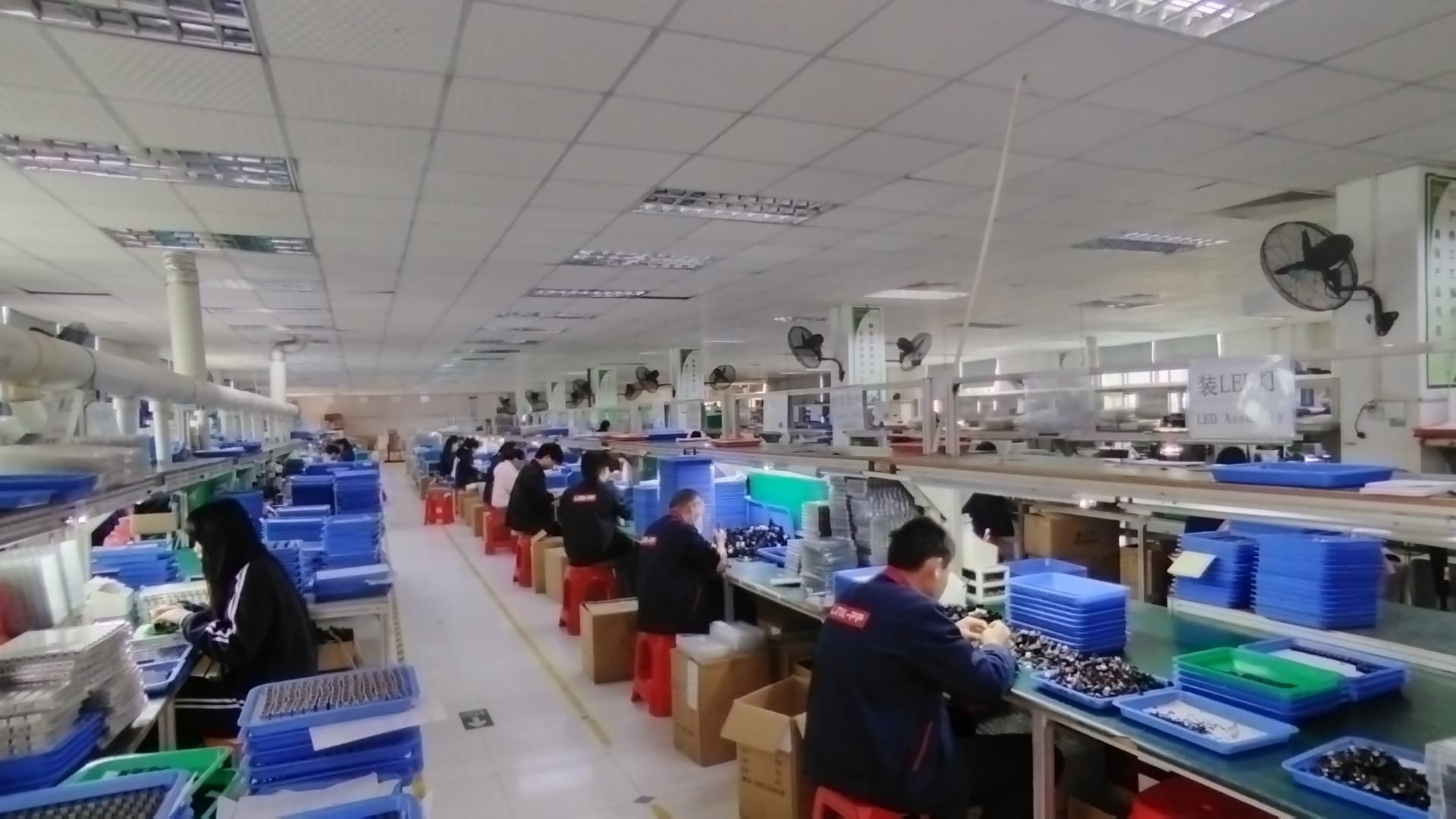
Analyzing the strategic manufacturing advantages that allow us to guarantee global delivery, component flexibility, and price competitiveness.
Our facility's proximity to raw silicon processors, high-frequency PCB fabricators, power supply component makers, and custom chassis stampers dramatically minimizes intermediate logistics. This integrated cluster ensures parts sourcing takes days, not months.
Leveraging specialized R&D engineering, CyntaraAI offers agile OEM/ODM co-development. From customized PCIe riser cards and high-efficiency server power distributions to liquid cooling blocks, our engineering team optimizes systems for specific deployment profiles.
Our deep partnerships with global air freight services, ocean transport lines, and regional customs brokers guarantee continuous shipping paths. B2B orders are monitored end-to-end, preventing component shortages and mitigating transit delay risks.
Discover how enterprise-grade hardware integrations power edge networks, hybrid cloud operations, and specialized research facilities across the globe.
Deploying locally managed server clusters for national financial, defense, and healthcare industries. Our systems support multi-tenant hypervisors, hardware virtualization isolation, and native NVMe storage arrays to ensure data remains strictly in-country.
Placing ruggedized, compact 1U and 2U rack servers at assembly lines to run real-time computer vision models. These devices identify defective units with millisecond latency, connecting to automation controls via deterministic TSN interfaces.
Powering scientific simulation algorithms at public universities and research laboratories. Our high-density server configurations with multi-GPU architectures run complex thermodynamic, astronomical, and fluid dynamics simulations with absolute precision.
A comprehensive overview of our ISO-9001 certified manufacturing protocols, quality checks, and international hardware certification.
Our quality assurance division consists of 45 highly specialized QA/QC inspectors monitoring incoming materials, sub-assembly functions, and final post-packaging details to keep hardware failure rates near zero.
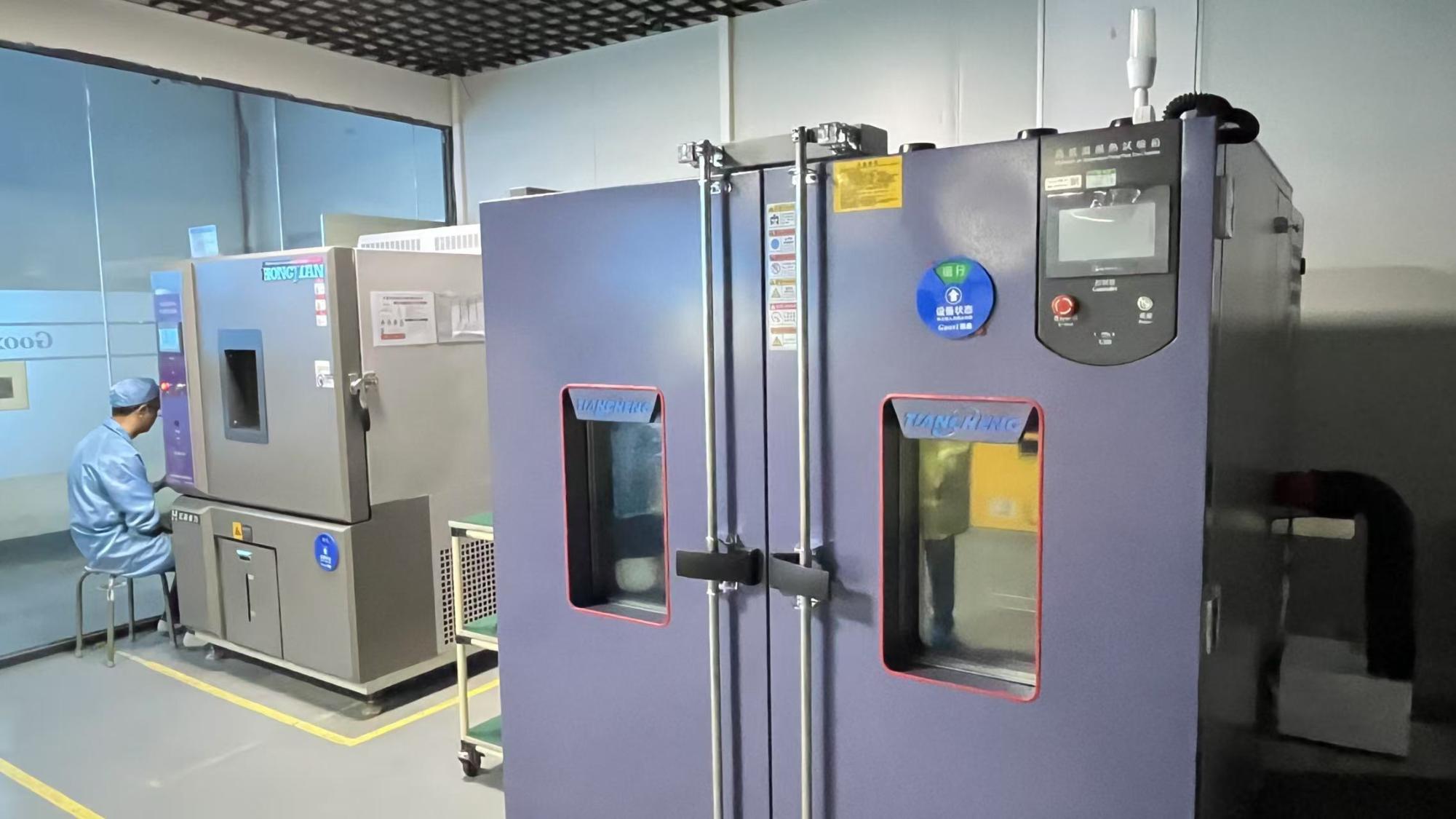
Every server system leaves the warehouse only after undergoing a strict continuous high-load burn-in process. Thermal stress chambers evaluate memory modules, server buses, and power components at extreme operational limits.
Utilizing high-resolution vision systems to scan solder joints, board layouts, and high-frequency connectors, guaranteeing every physical electrical pathway matches original engineering specifications perfectly.
All hardware builds are verified against strict global safety and emission rules (CE, FCC, RoHS, UL, VCCI), allowing B2B buyers to quickly integrate components into public and private infrastructure.
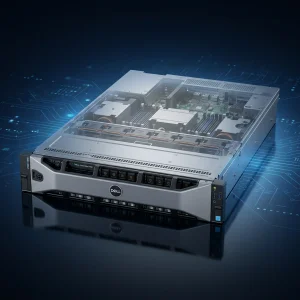
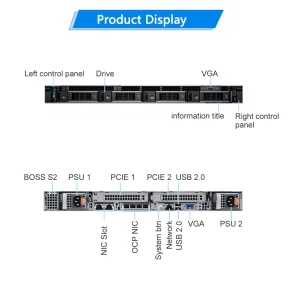
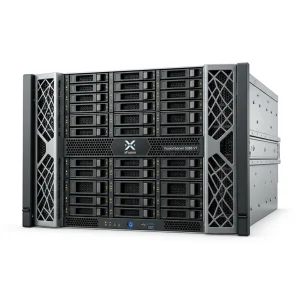
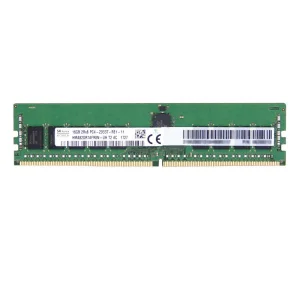
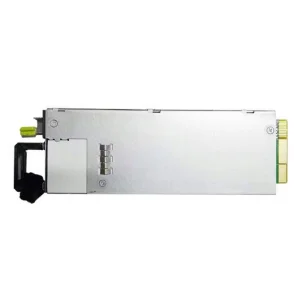
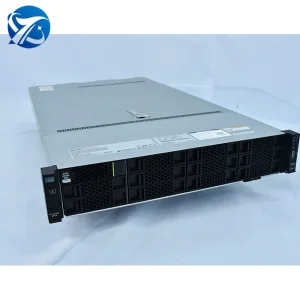
Explore specialized network components, DDR4 RAM modules, modular power supplies, and multi-socket platforms to complete your data center deployment.
Addressing the complex requirements of worldwide logistics, customization stages, and long-term hardware reliability guarantees.
From initial BOM analysis and prototype design to mass production and field deployment, our team of dedicated customer support engineers is available 24/7 to resolve technical issues and verify hardware configuration parameters.
For custom configurations, we assist you in optimizing your Bill of Materials (BOM) to match market conditions, utilizing equivalent components of identical grade to mitigate price spikes and supply constraints without sacrificing server stability.
We work directly with your engineering departments to build custom sheet metal chassis layouts, optimizing rack space and positioning active fans or water blocks to perfectly coordinate with your hot/cold aisle parameters.
Get professional answers to frequently asked technical and logistic questions about server configurations and manufacturing capabilities.
Every single GPU server and infrastructure component goes through a multi-phase quality assurance pipeline, including Automatic Optical Inspection (AOI), full diagnostic system boot cycles, extended burn-in testing under peak CPU/GPU loads, and high-frequency signal verification. Our QA group of 45 inspectors ensures every system conforms to ISO-9001 compliance standards before shipping.
Backed by a team of 160 engineers, we offer extensive hardware adjustments, including custom riser card configurations, optimized power distribution boards, tailored sheet-metal rack chassis configurations, and the installation of liquid cooling elements (water blocks, pumps, manifolds). We also configure customized system firmware settings to match unique user environments.
Having a diverse network of over 860 trusted partners allows us to dynamically source critical server components (chassis components, passive cooling parts, high-frequency connectors, power components) even during global chip shortages. This supply network ensures minimal lead times and stable pricing structures for our B2B customers.
Our systems support advanced high-speed SmartNICs and DPUs that natively execute RDMA over Converged Ethernet (RoCE v2). This allows servers to achieve zero-copy memory transport with low CPU overhead, which is essential for training Large Language Models (LLMs) and processing real-time big data pipelines.
All data center units, server power modules, and components exported by CyntaraAI are compliant with major international standards, including CE, FCC, RoHS, and UL certification requirements, ensuring seamless deployment in North American, European, Southeast Asian, and Middle Eastern enterprise architectures.