Cyntara
Cyntara
Cyntara
Direct from our state-of-the-art AI server manufacturing facility
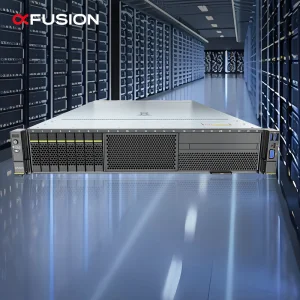
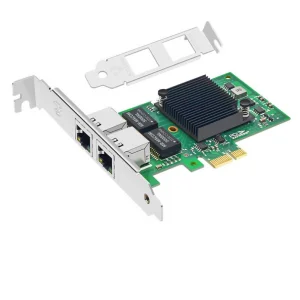
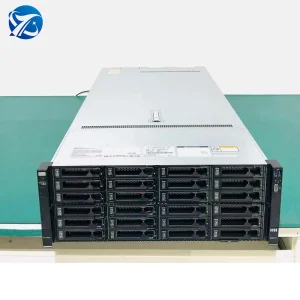
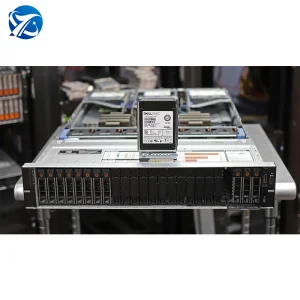
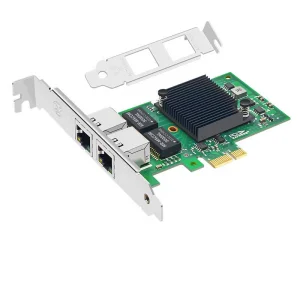
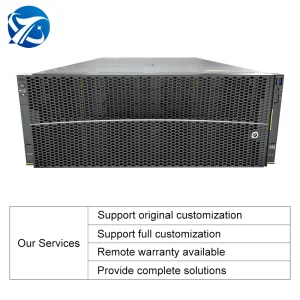
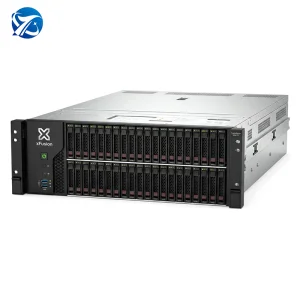
The modern data center industry is undergoing a monumental architectural transition driven by the computational demands of large-scale generative artificial intelligence models, hyper-scale cloud applications, and distributed edge intelligence. Historically characterized by homogeneous, CPU-centric server architectures, modern infrastructures require heterogeneous compute hardware integrating specialized GPUs, ASICs, and high-performance PCIe Gen 4.0/5.0 interfaces. These technologies are vital to handle distributed Deep Learning (DL), Real-Time Inference, and Large Language Model (LLM) processing.
Today's industrial data centers face multifaceted bottlenecks. Thermal density has shifted from traditional 5kW–10kW per rack layouts to massive configurations exceeding 50kW–100kW per rack, especially inside AI training clusters. Consequently, legacy cooling mechanisms are insufficient, demanding advanced engineering solutions like direct-to-chip liquid cooling and complex heat exchangers. Furthermore, storage and network fabrics must support massive throughput and ultra-low latency to prevent IOPS bottlenecks during complex training loops.
Enterprise requirements have transformed: localized deployment models now coexist with multi-tenant hybrid cloud architectures. Globally, the integration of distributed file systems (DFS) and low-latency storage arrays (utilizing SAS/SATA/NVMe Tri-mode RAID cards like the 9560-8i and 9560-16i) ensures the reliability of complex databases. Concurrently, software frameworks such as DeepSeek, Kubernetes, and specialized HPC environments require custom hardware tuning from the physical chassis layout up to custom BIOS/UEFI profiles. Hardware performance, thermal optimization, energy efficiency, and security must be solved at the design level.
Deployment of advanced multi-GPU processing platforms designed specifically for training LLMs and executing low-latency real-time inference workloads globally.
Integrating high-efficiency power supplies (80 Plus Titanium) and intelligent air/liquid cooling to maximize performance-per-watt values across large-scale facilities.
Advanced R&D, rigid quality control, and robust supply chain infrastructure for global enterprises
Established on August 15, 2016, Cyntara Technologies Inc (Brand: CyntaraAI, Official Site: https://cyntaraai.com) has positioned itself as a global leader in high-performance computing hardware manufacturing and OEM/ODM engineering. Over the past 12 years, we have scaled our production capabilities to address the shifting landscape of computing infrastructure, maintaining 7 years of specialized B2B export operations with regular deployments across North America, Europe, Southeast Asia, and the Middle East.
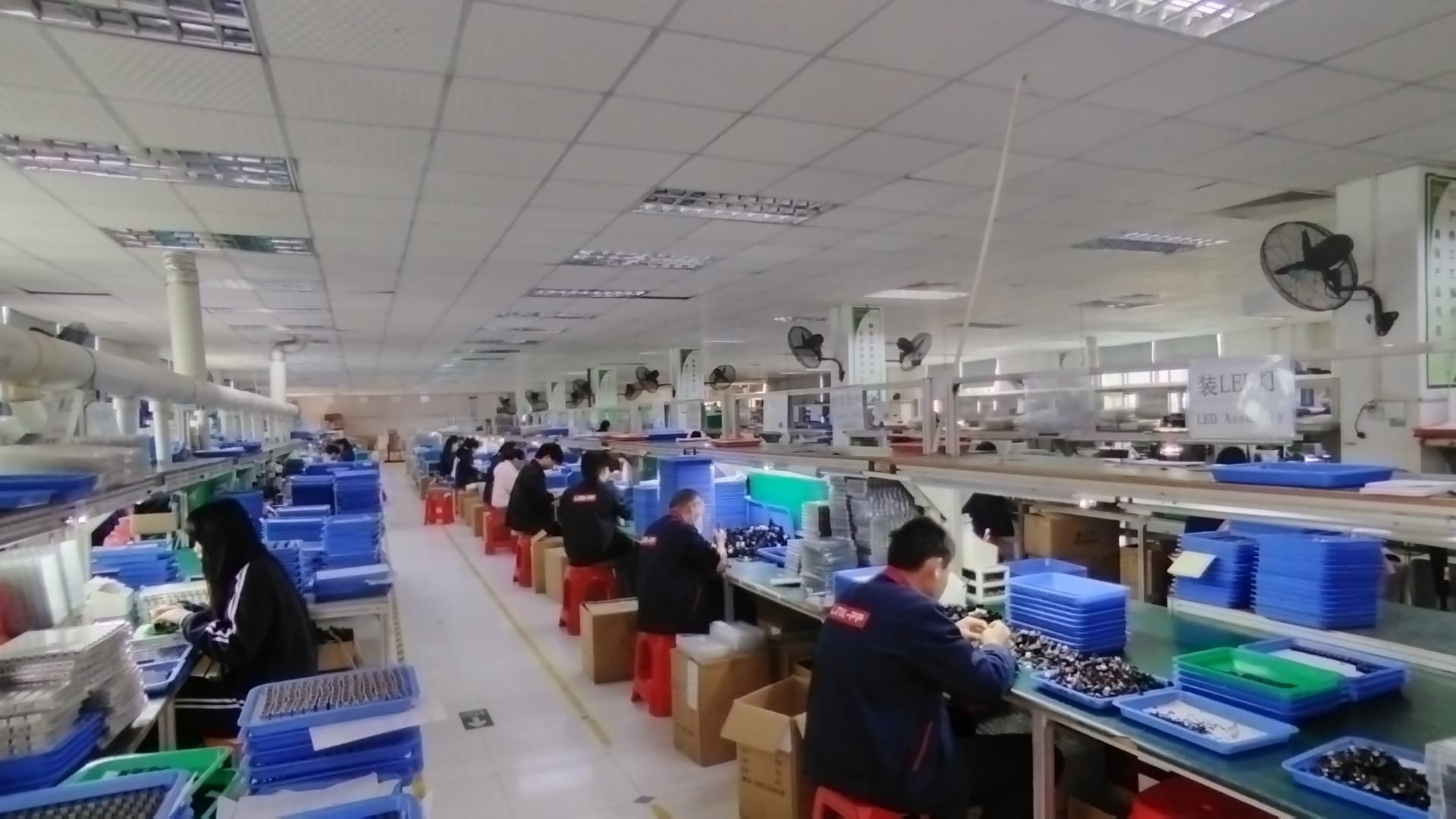
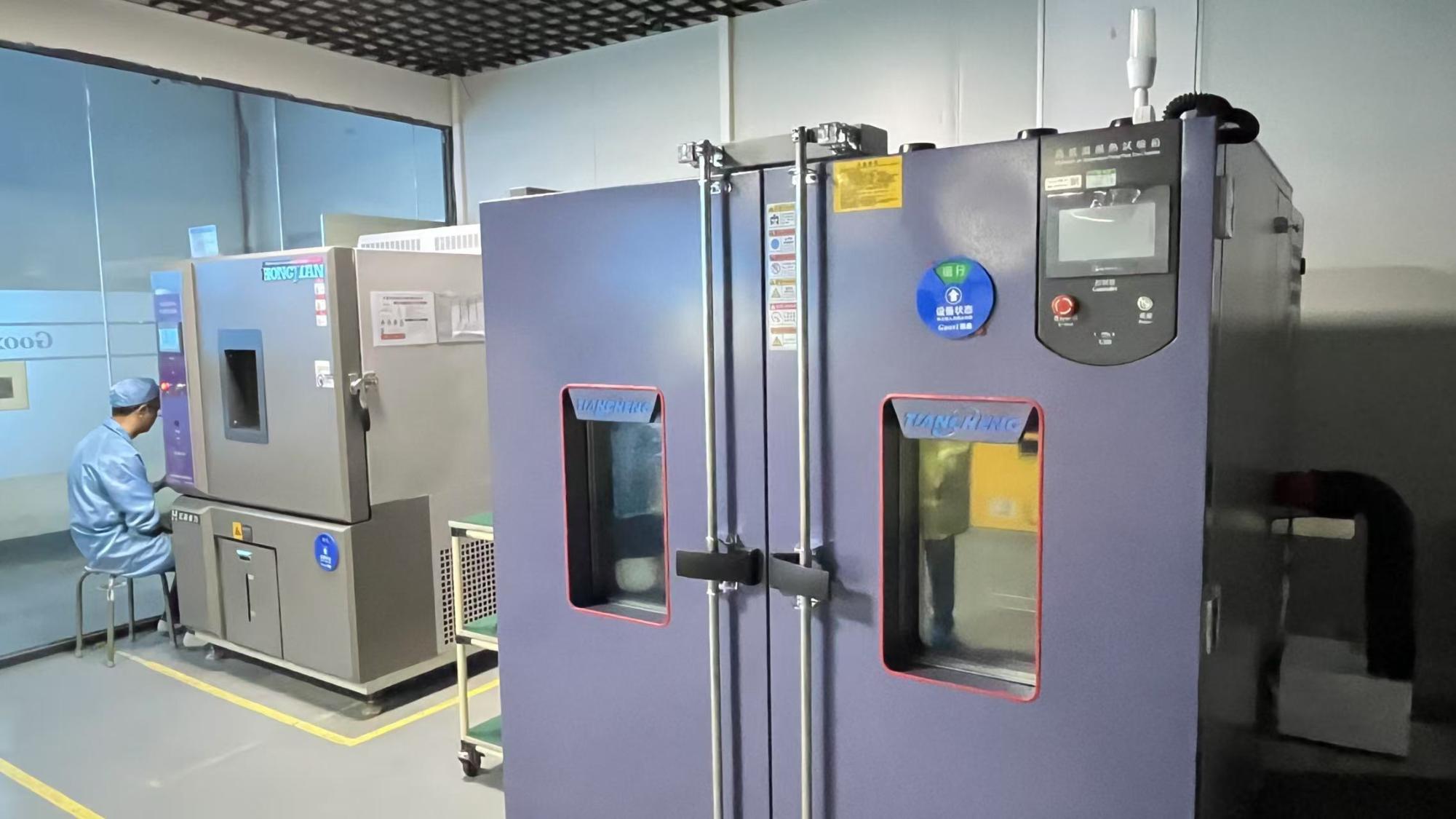
Operating from our modern, fully optimized 18,600㎡ manufacturing and validation campus, CyntaraAI combines structural assembly, complex SMT lines, advanced environmental testing rooms, and dynamic stress chambers under one integrated roof. This capacity allows our teams to deliver over 120 new computing models and product iterations annually, staying lock-step with market-leading specifications.
Our quality assurance workflow strictly conforms to ISO 9001 standard practices. Guided by a team of 45 certified QC inspectors, each platform undergoes comprehensive screening before shipment. The validation cycle is structured into multiple key stages:
Empowering hyper-scale applications with next-generation architectural building blocks
Optimizing multi-GPU capabilities (up to 8/10 GPU card installations in 2U and 4U dimensions) for heavy-load operations, DeepSeek model implementations, and deep learning compute workloads.
Employing state-of-the-art air and hybrid-liquid cooling architectures, using computational fluid dynamics (CFD) to maximize system efficiency under peak system workloads.
Configured using Tri-Mode RAID solutions (LSI 9560-16i, 9560-8i PCIe Gen 4.0 arrays) to ensure seamless storage processing across distributed object storage infrastructures.
| Application Focus | Required Architectural Features | Primary CyntaraAI Solutions |
|---|---|---|
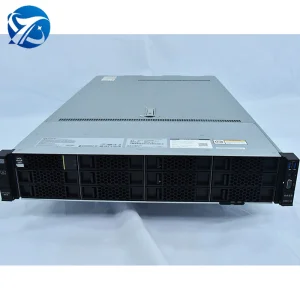
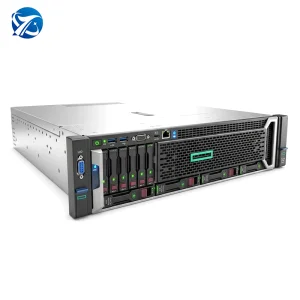
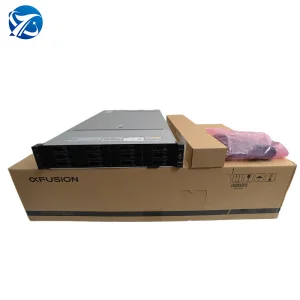
| AI Training & DeepSeek LLM | High-density GPU architectures, maximized NVLink communication capability, DDR5 RAM configurations, PCIe Gen 5 compatibility. | xFusion 2288H V6 / FusionServer 5288 V6 / High-Performance Dedicated GPU Racks |
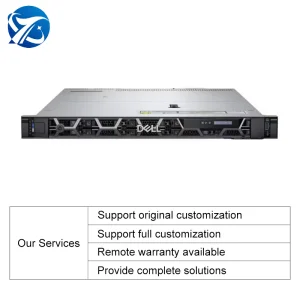
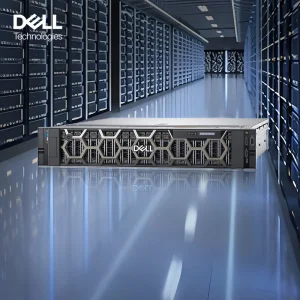
| Cloud Hosting & Compute Nodes | Maximised CPU core densities, virtualization optimizations, compact spatial formats (1U/2U configurations). | PowerEdge R760xs / HPE ProLiant DL360 Gen12 / PowerEdge R450 |
| Distributed Storage & CDN | Expanded drive configurations (SAS/SATA/NVMe hybrid arrays), dedicated low-latency hardware RAID. | FusionServer 5288 V7 Object Storage / LSI RAID Cards / EP600 PCIe NVMe SSDs |
| Industrial & Edge Processing | Physical stress durability, customizable BIOS parameters, hybrid environmental tolerance profiles. | OEM Custom Chassis Solutions & Tailored Rack Server Platforms |
The practical application of enterprise hardware requires alignment with regional operational conditions, utility capabilities, and regulatory standards. CyntaraAI works closely with system integrators to configure servers optimized for real-world deployments:
In highly regulated metropolitan zones (such as Tokyo, London, and Singapore), operators face strict power limits and carbon regulations. Utilizing standard enterprise air systems causes high Power Usage Effectiveness (PUE) scores. CyntaraAI’s optimized chassis configurations feature custom fan curves, high-efficiency power architectures, and layout designs that optimize server cooling. This allows companies to deploy dense rack setups without exceeding their power allotments.
For high-capacity storage operations and media streaming networks, data path latency can severely degrade performance. By implementing the xFusion FusionServer 5288 V7 paired with LSI 9560-16i controller architectures and PCIe Gen 4.0 NVMe SSD storage configurations, operators can configure distributed files systems (DFS) capable of managing massive unstructured media libraries with microsecond response times.
Research centers and private laboratories training localized AI models (such as DeepSeek-based configurations) require immense GPU resources. These setups demand highly optimized hardware configurations. CyntaraAI GPU servers feature reinforced structural frames, optimized power distribution blocks, and tailored PCIe layouts. These engineering steps prevent signal degradation and maintain system integrity, ensuring uninterrupted long-term training cycles.
A look inside CyntaraAI's state-of-the-art facilities and quality control operations
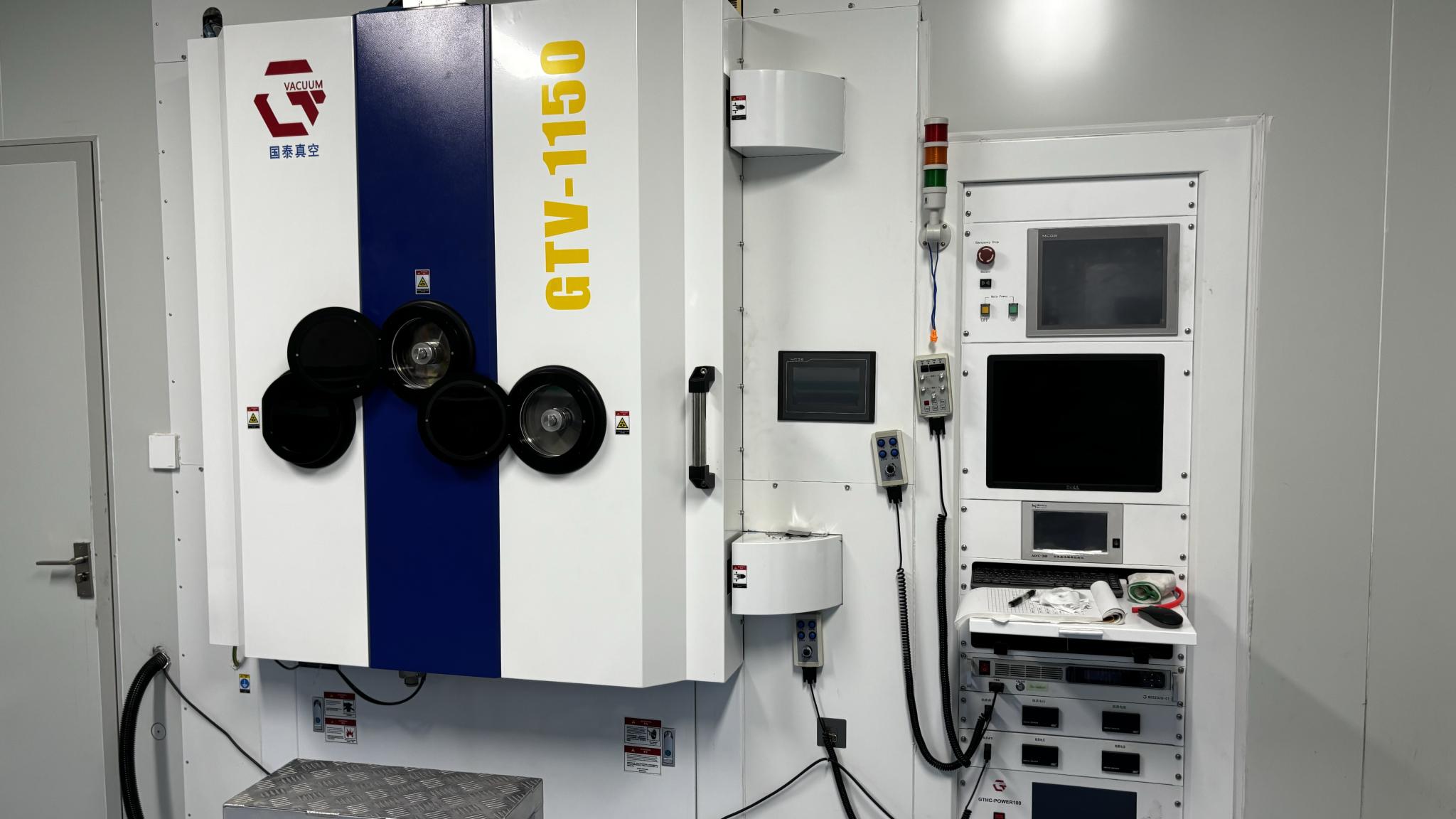

Answering key architectural and logistical questions for procurement teams and system engineers
We provide full OEM/ODM customization services. These include custom metalwork design, power layout optimization (single/dual/quad redundancy configurations), specific firmware optimizations, custom BIOS profiles, and targeted thermal designs. Our engineering team helps customize server layouts to optimize the integration of specialized accelerators for workloads like DeepSeek AI inference and training.
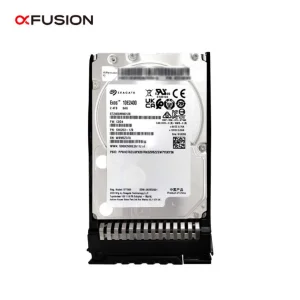
We integrate high-performance Tri-Mode controllers, such as the LSI 9560-16i and 9560-8i (supporting PCIe Gen 4.0 and 12Gb/s SAS/SATA/NVMe). When paired with high-performance solid-state storage options like the EP600 hybrid enterprise SSDs, these hardware elements maintain optimal I/O speeds and data integrity, even during heavy parallel processing workloads.
Every production batch undergoes a strict quality control sequence conforming to ISO 9001 standard practices. This cycle includes comprehensive SMT board validation using Automated Optical Inspection (AOI), thermal stress testing inside physical environmental rooms, and continuous burn-in cycles. This process ensures all components operate correctly under sustained loads before shipping.
Backed by 7 years of specialized hardware export experience, CyntaraAI manages global supply networks alongside 860 certified suppliers. We handle logistics and custom regulations for major markets including North America, Europe, Southeast Asia, and the Middle East. All shipments are securely crated and packed to prevent physical damage during transit.
Premium server infrastructure configured for reliable, long-term deployments