Cyntara
Cyntara
Cyntara
A comprehensive analysis of edge computing requirements, market trends, supply chain architectures, and global deployments in modern interactive DOOH infrastructure.
The global digital signage landscape is undergoing a critical transformation. Once limited to static image loops and scheduling software running on low-power microcontrollers, today's digital out-of-home (DOOH) networks demand dynamic, interactive, and AI-enabled capabilities. Intelligent retail displays, smart city kiosks, and real-time public transit status boards require back-end computing units capable of high-performance rendering, edge AI processing, and extreme thermal resilience.
This evolution has elevated the role of edge servers and GPU computing platforms in signage architectures. Without powerful local hardware, interactive features like real-time audience demographics detection, anonymous tracking, gaze detection, and dynamic programmatic ad bidding are impossible. As a result, global procurement managers are shifting their focus from basic panel metrics to the robustness of the system controllers, media servers, and database storage backbones.
"Smart signage is no longer just a display monitor. It is an intelligent edge node that interprets real-world data, processes content dynamically via local AI models, and connects securely to the centralized data center infrastructure."
When deploying digital signage networks at scale—whether across 5,000 retail locations or 20 global airport hubs—enterprise buyers demand reliable system components. System downtime translates directly into lost advertising revenue and compromised user experiences. Key procurement requirements include:
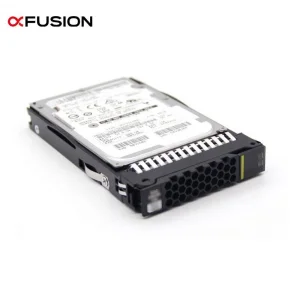
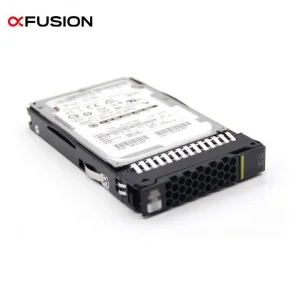
High-Performance Media Processing: Displays must support 4K/8K content streams, complex WebGL scripts, and concurrent interactive touch applications. This requires enterprise-grade GPUs and high-speed NVMe storage drives (such as read-intensive enterprise PM893 and PM897 SSD solutions) capable of continuous operation.
Edge Intelligence Integration: AI GPU servers are increasingly deployed on-site or in regional nodes to manage camera feeds, run computer vision models, and personalize display content in real-time, all while complying with regional data privacy laws.
Hardware-Level Reliability: Public environments exhibit wild temperature fluctuations, high humidity, and physical vibration. Equipment must offer continuous 24/7/365 operation, automated out-of-band monitoring, and long lifecycle support.
Cyntara Technologies Inc (Brand: CyntaraAI) is a specialized AI GPU server manufacturer focused on high-performance computing infrastructure for global industrial applications.
Running local computer vision algorithms on edge GPU configurations to adapt display content based on viewer demographics, movement, and context.
Decentralized media nodes feeding data to centralized server farms. Requires hybrid cloud storage and dynamic virtualized rendering environments.
Integrating advanced cooling architectures (including liquid cooling and high-airflow chassis designs) to allow edge servers to operate reliably in harsh outdoor cabinets.
A delay in single-component sourcing can disrupt global screen rollouts. CyntaraAI’s direct integration with over 860 partners ensures high availability, component consistency, and predictable lead times for critical computing units.
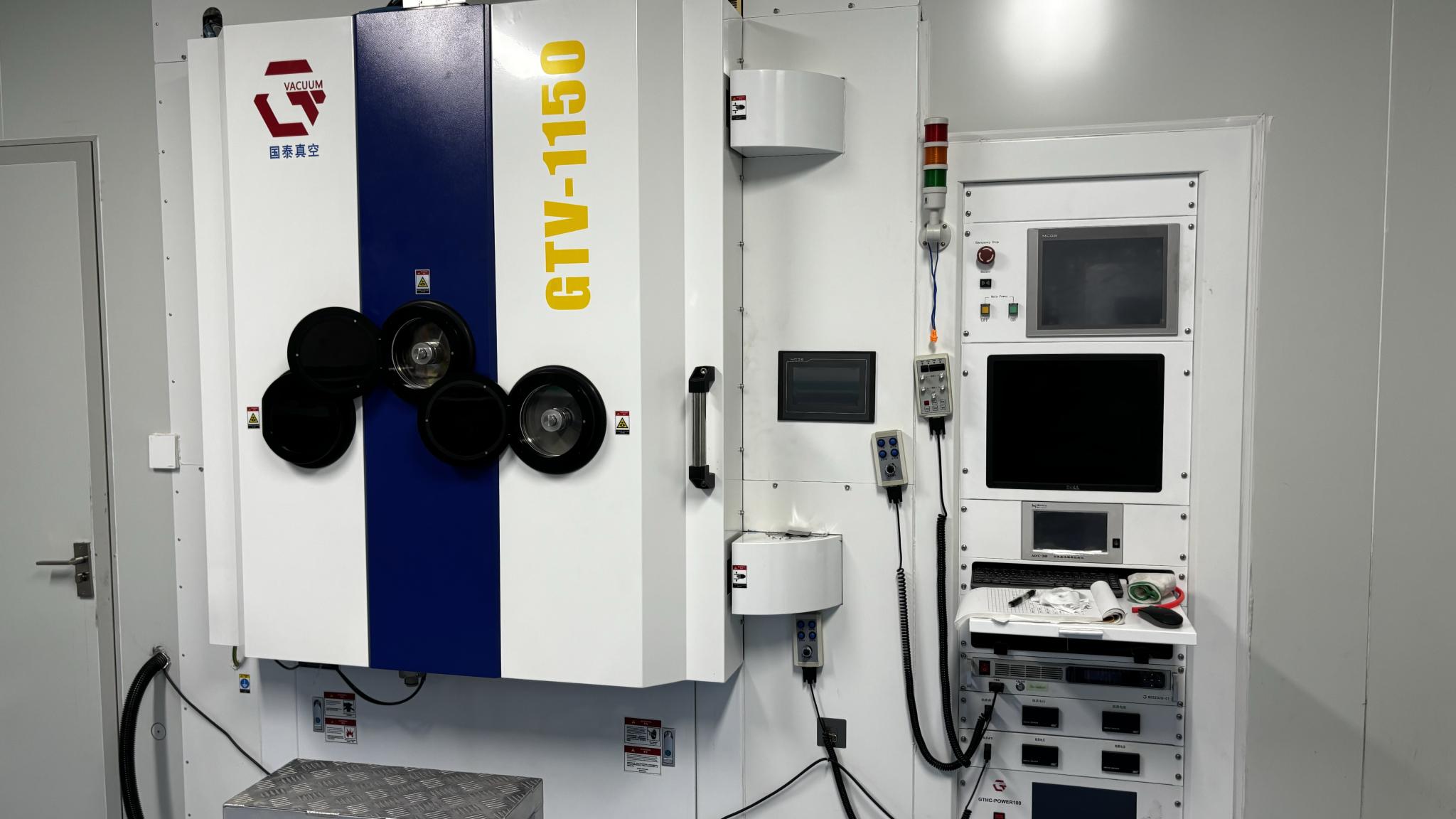
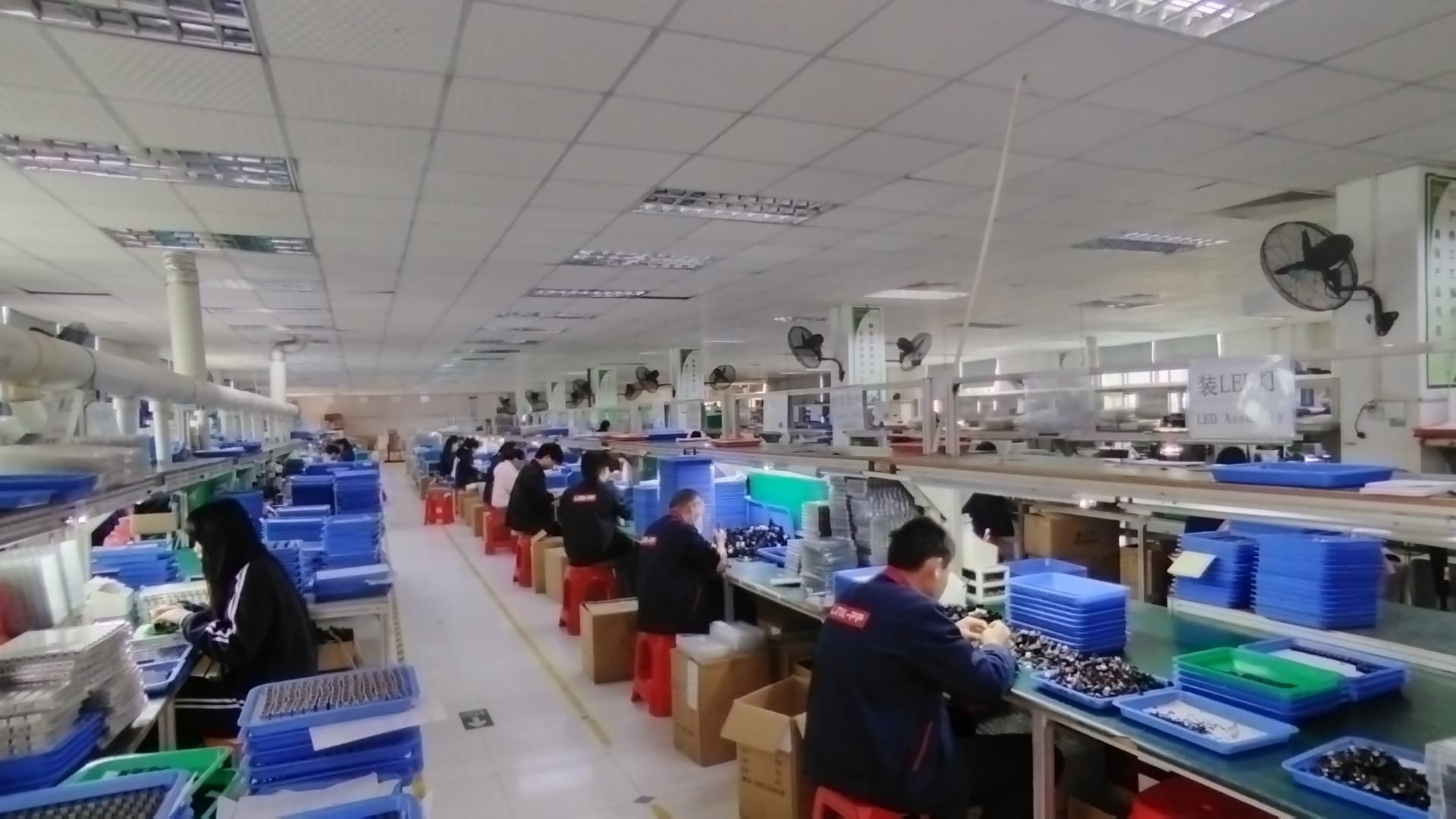
China remains the manufacturing epicenter of digital signage and computing hardware. The dynamic ecosystem allows suppliers to move from initial layout designs to functional prototypes in a fraction of the standard industry timeline. Within this hub, CyntaraAI leverages automated production technologies to build high-performance computing infrastructure.
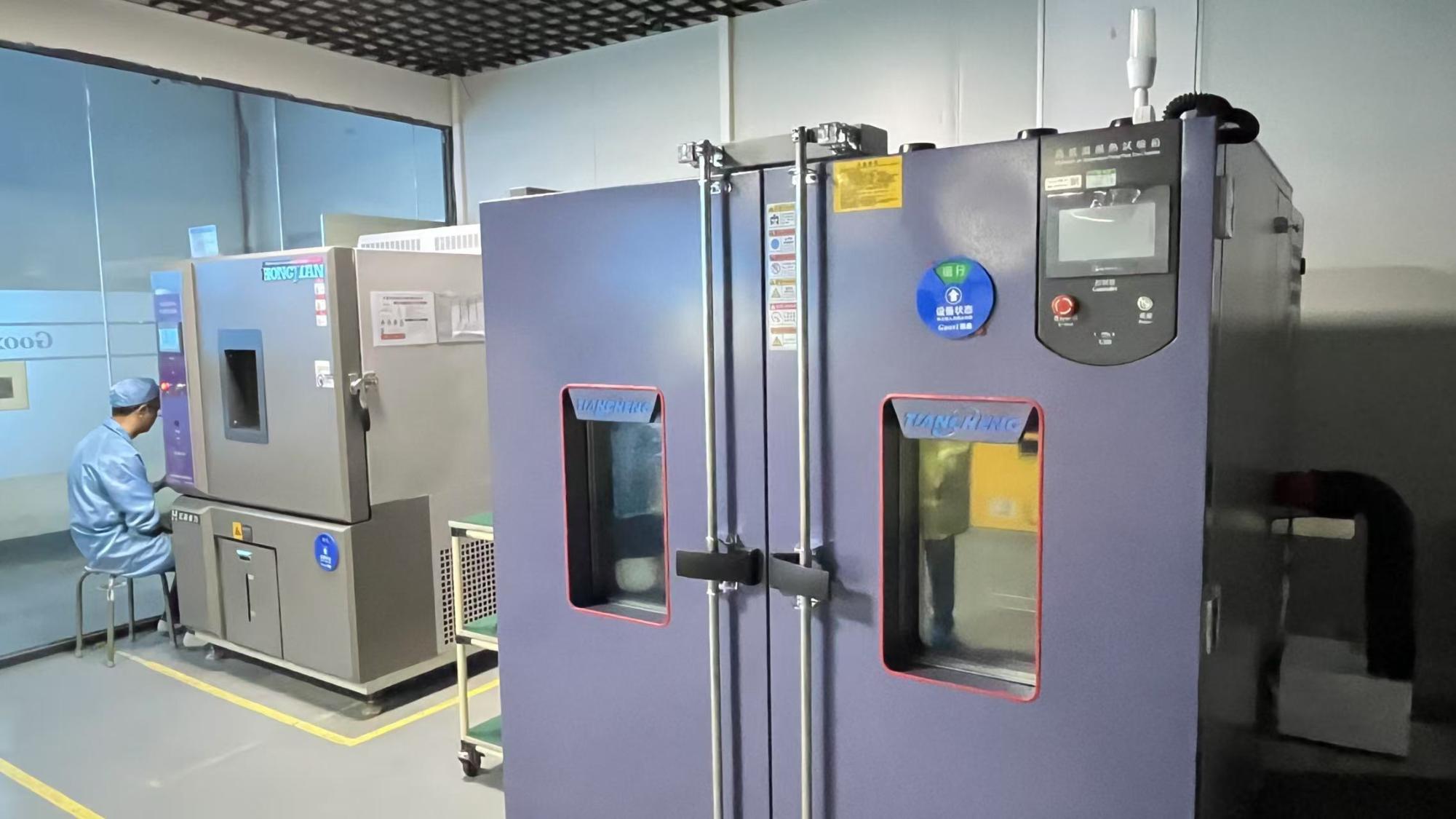
CyntaraAI maintains a comprehensive manufacturing model that guarantees component quality. Every rack-mount server, GPU workstation, and high-performance SSD undergoes a series of QA procedures:

How modern edge compute units power the world's most demanding digital display installations.
In modern commercial complexes, digital signage screens are equipped with environmental sensors and cameras. By processing these feeds locally on high-density GPU racks, the system determines user engagement levels, detects age and gender classifications, and adjusts target advertisements instantly without transferring video data to remote networks. This guarantees low latency and adheres to local privacy regulations.
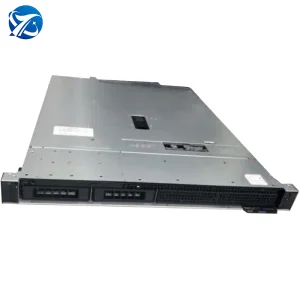
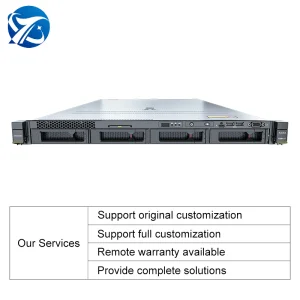
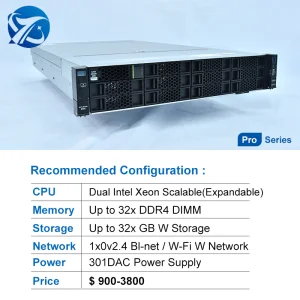
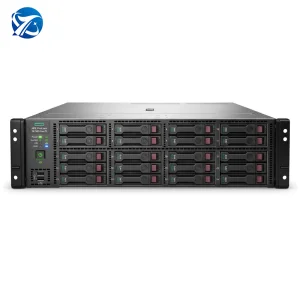
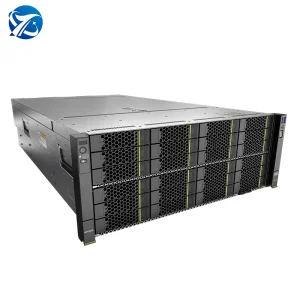
International airports, bus depots, and railway networks require continuous status updates across thousands of connected panels. System operators rely on hyperconverged infrastructure servers (such as xFusion 2288H V7 or HPE ProLiant platforms) to run regional content distribution engines. This architecture handles real-time database queries, manages visual signage scheduling, and supports localized failover mechanisms.
The growth of programmatic advertising demands that display networks communicate directly with online ad marketplaces. Digital signage media players must quickly process incoming requests, evaluate context, bid for ad spots, and play dynamic high-resolution commercials within milliseconds. A reliable system backbone requires low-latency read SSDs and powerful edge servers working together.
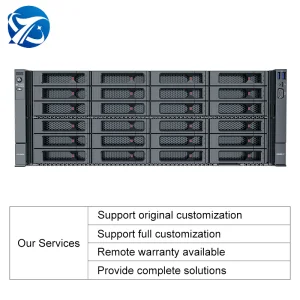
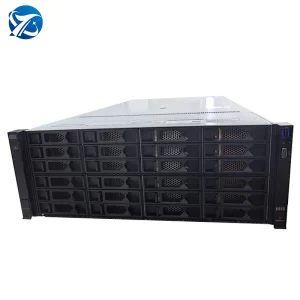
For utility control rooms, smart grid hubs, and trading floors, digital signage takes the form of massive multi-panel video walls. These setups display high-resolution graphics and complex real-time telemetry. Running these complex arrays requires workstation grade servers, multi-GPU computing setups, and redundant system storage to protect against signal dropouts or frame rendering delays.
Addressing key engineering, integration, and supply chain queries from international digital signage project managers.