Cyntara
Cyntara
Cyntara
High-reliability architecture optimized for hardware security modules, accelerated data processing pipelines, and scalable enterprise workloads.
Modern specialized infrastructure optimized for hyperscale AI computing systems and secure hardware assembly.
Trusted supplier for cloud providers and research labs in North America, Europe, and the Middle East.
Focused on custom firmware architecture, thermal management, and cryptographic optimization.
Secured global component pipeline ensuring components trace verification and strict anti-tamper controls.
A comprehensive dynamic review of contemporary threat vectors, systemic regulatory updates, and modern technical architectures driving data sovereignty.
The global paradigms governing enterprise computing infrastructure are undergoing a fundamental transition. In an era characterized by dense high-performance computing, distributed artificial intelligence processing models, and multi-tenant virtualization platforms, legacy perimeter-based security control frameworks have become increasingly insufficient. True operational data protection requires complete cryptographic isolation implemented at the fundamental silicon level.
Contemporary cryptographic requirements have expanded beyond basic Data-at-Rest and Data-in-Transit protections to prioritize the critical objective of securing Data-in-Use. As specialized workloads like DeepSeek R1 optimization and hyper-scale large language model (LLM) processing involve processing massively distributed proprietary data repositories, computing nodes must enforce continuous encryption within live system memory registers. This requirement has accelerated global industry adoption of Trusted Execution Environments (TEEs) and advanced Confidential Computing methodologies across hardware platforms.
Integration of quantum-resistant algorithms into hardware security modules (HSM) and firmware architectures to safeguard critical computational pipelines against prospective structural decryption risks.
Silicon-level memory protection layers including Intel SGX/TDX and AMD SEV-SNP, delivering complete computational isolation within multi-tenant cloud storage structures and hyper-scale compute topologies.
Continuous dynamic validation protocols checking hardware configurations and component lineages before initializing critical computational pipelines or admitting nodes into cryptographic clusters.
Furthermore, structural regulatory developments—including the stringent requirements of GDPR in Europe, HIPAA in healthcare processing systems, and specialized national data residency acts—have converted high-assurance encryption from a voluntary secondary mechanism into an enforceable corporate mandate. Hardware deployment strategies must now proactively include customizable cryptographic features that adapt to localized jurisdictional changes without sacrificing core processing throughput or thermal efficiency.
Enterprise procurement teams face complex challenges when sourcing cryptographic platforms and computing nodes. Standard commercial off-the-shelf servers often lack the granular firmware and hardware customization necessary to comply with precise internal data security policies and unique geographic compliance mandates.
Key deployment requirements include:
We deliver an integrated engineering environment designed to align computing equipment with strict security specifications.
Complete product verification via dedicated AQL sampling models managed by 45 embedded inspectors.
Custom alternative chassis configurations, tailored liquid-cooling pathways, and optimized system low-level controls.
An exhaustive mapping of CyntaraAI’s holistic approach across physical, logical, and cryptographic infrastructure dimensions.
Custom-engineered structural enclosures featuring physical security mesh layouts, active chassis intrusion log mechanisms, and isolated module mounting slots. This design prevents unauthorized laboratory tampering or physical access attempts to internal system components.
Proprietary BIOS and baseboard management controller (BMC) source environments implementing strictly validated multi-stage cryptographic boot protocols. Ensures only digitally signed, verified executable packages can load into memory during power-on states.
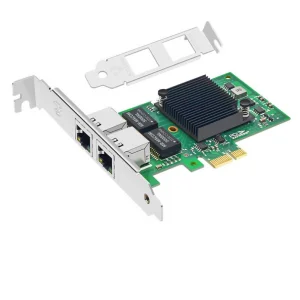
Direct integration with dedicated PCIe acceleration components and dedicated cryptographic hardware modules. Delivers massive real-time execution speeds for symmetric and asymmetric algorithms, maintaining full line-rate performance on high-speed network interfaces.
How CyntaraAI manages global distribution risks while maintaining complete alignment with localized operational standards.
Deploying cryptographic infrastructure into highly diverse international jurisdictions requires strict compliance with individual data control and import frameworks. A standardized solution often fails when confronted with regional regulations like Europe's NIS2 directive, federal computing standards in North America, or distinct regional localization guidelines across Southeast Asian markets.
CyntaraAI leverages its 7 years of specialized B2B export experience to simplify this operational complexity for international clients. Every customized platform configuration undergoes pre-export assessment processes to ensure complete compatibility with target regional frameworks. This includes configuring compliant cipher sets, adjusting internal hardware root keys to match regional oversight policies, and providing authenticated firmware tracking files that guarantee seamless customs integration.
Additionally, our global technical maintenance teams offer multi-tier post-deployment support, including remote diagnostics, encrypted firmware remediation channels, and localized replacement logistics. This system minimizes downtime while keeping critical data production nodes safely isolated from external threat exposure.
Detailed insight into CyntaraAI’s production facilities, QA methodologies, and component provenance tracking protocols.
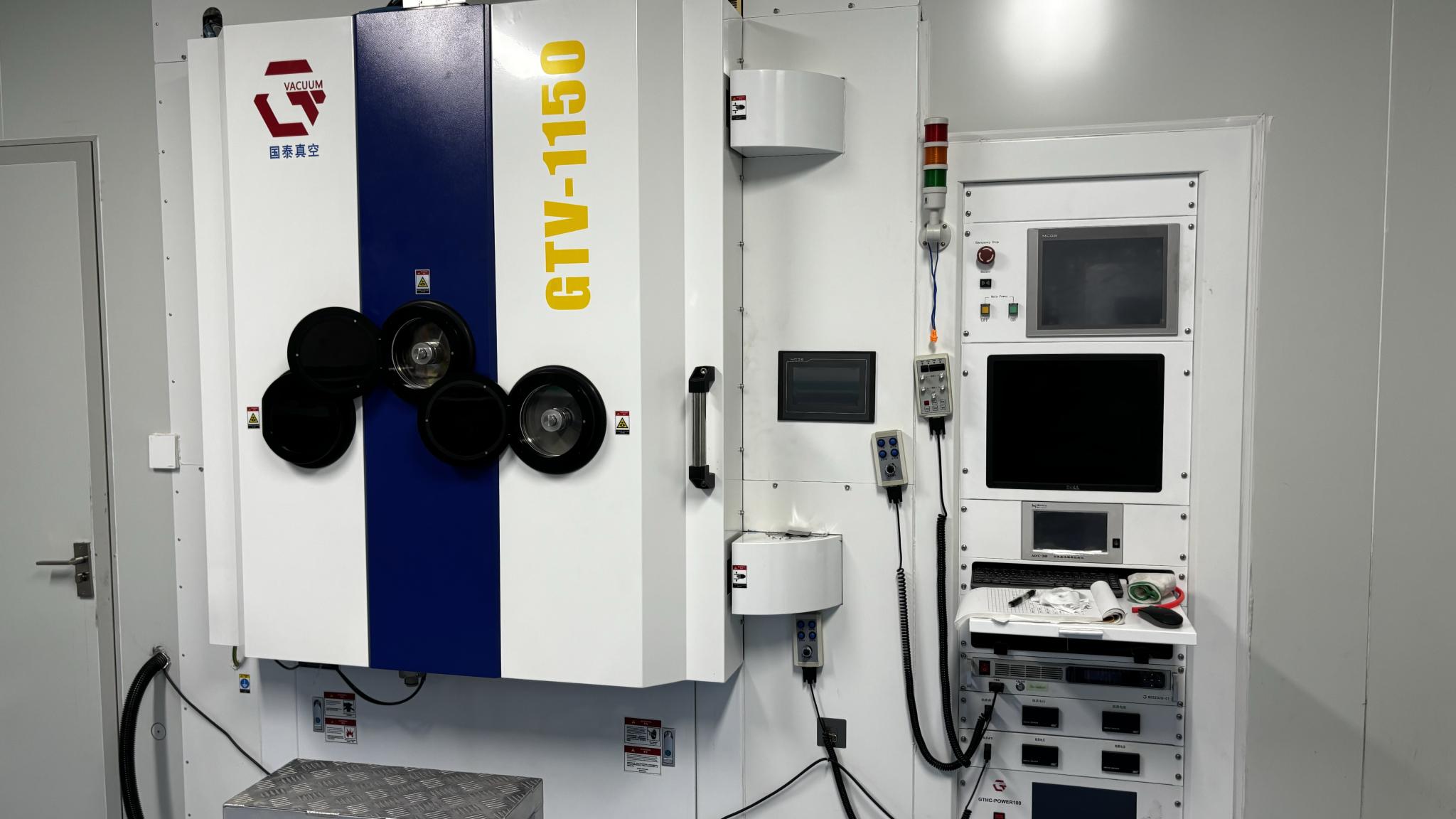
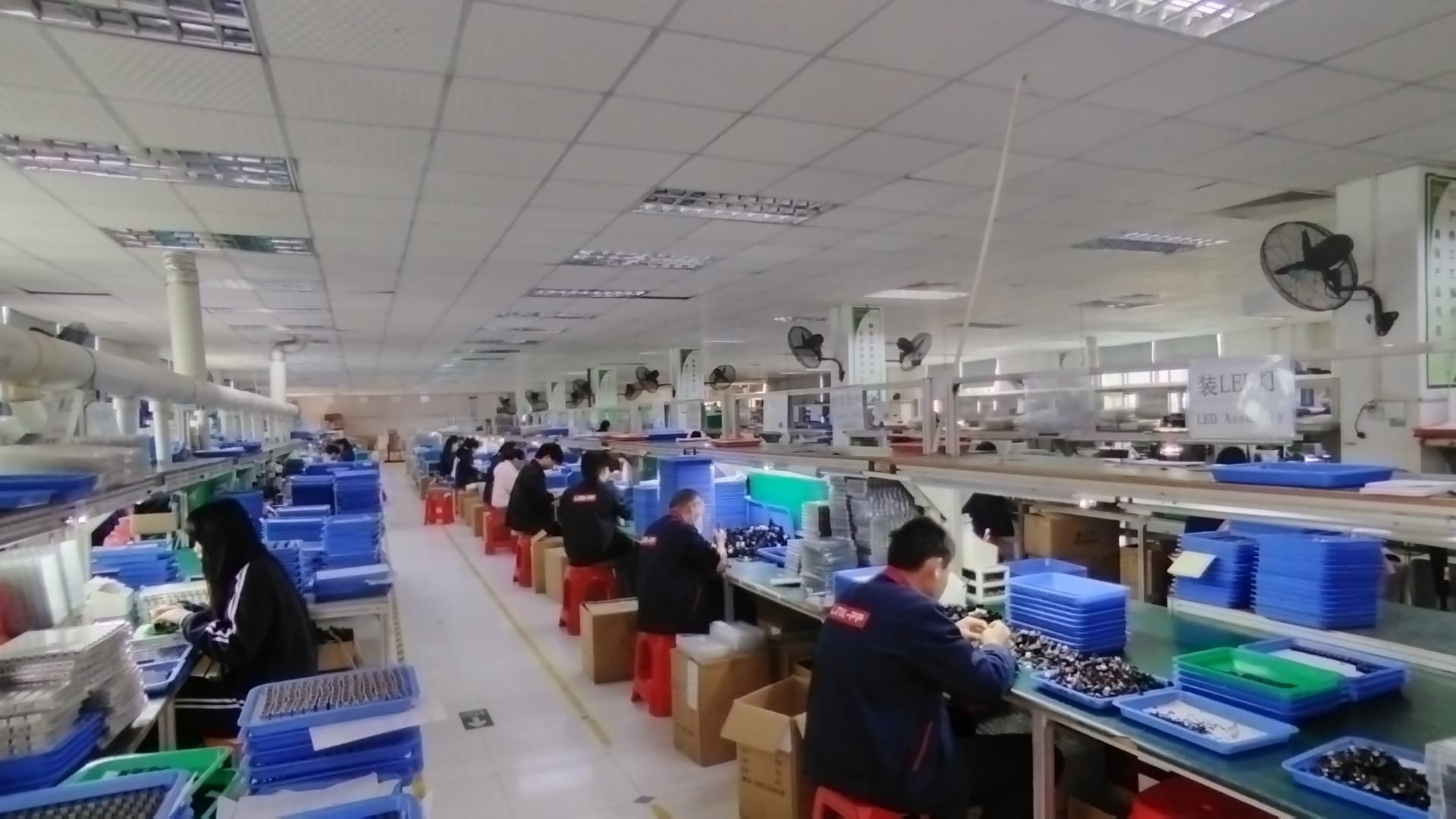
Operating a modern production footprint extending over 18,600 square meters of highly structured industrial space, Cyntara Technologies Inc (CyntaraAI) combines extensive structural capacities with agile manufacturing engineering. Backed by 12 years of core industry expertise, our production facilities are purpose-built to execute granular component assembly, advanced validation processes, and complex platform personalization routines at scale.
Our quality assurance framework adheres strictly to international ISO 9001 operating practices. Rather than relying on simple end-of-line verification checks, our quality methodologies embed stringent inspection gates at every phase of the manufacturing flow. A dedicated team of approximately 45 professional quality inspectors exercises complete oversight across all sub-assembly stations.
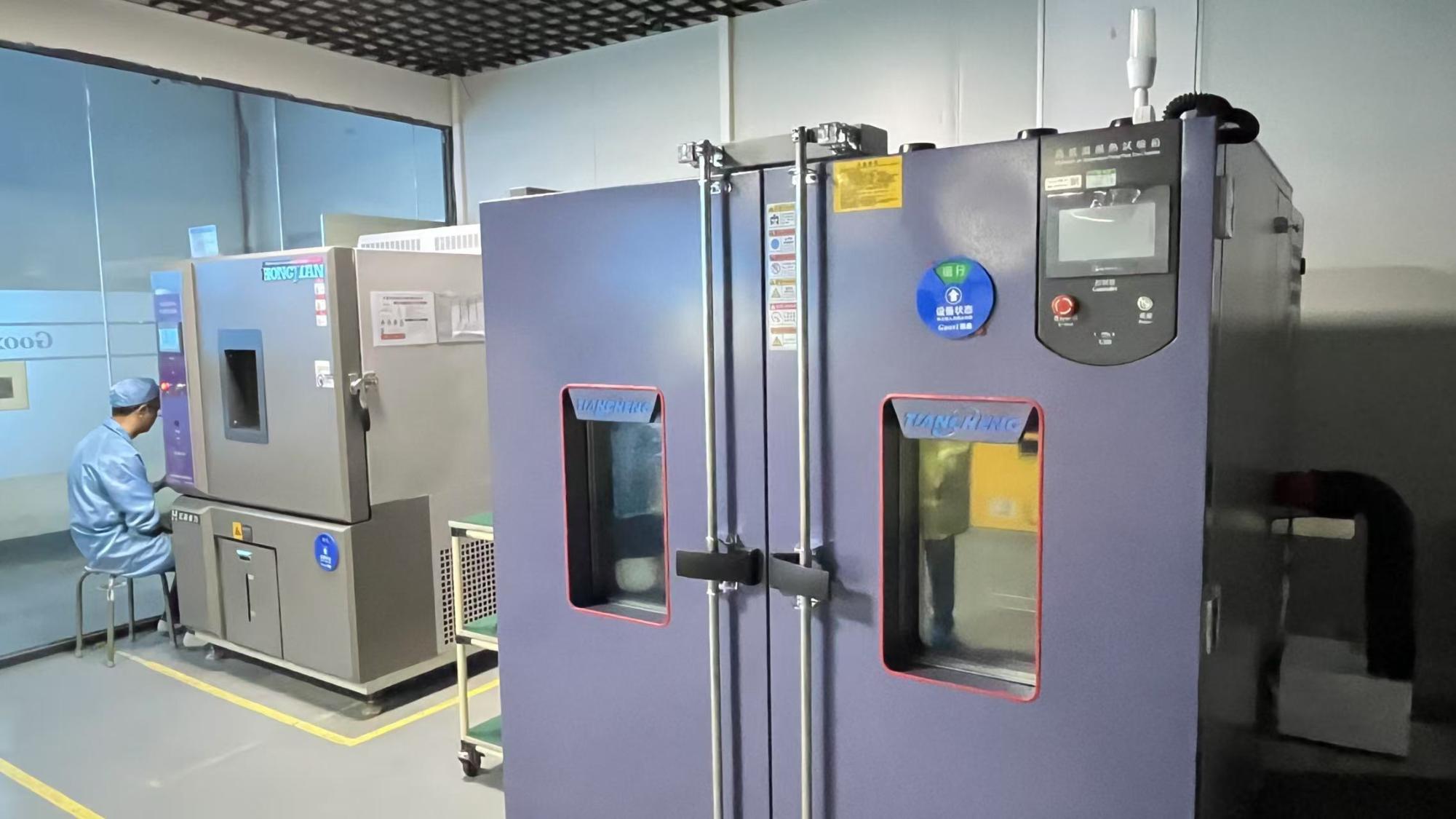
Every node manufactured by CyntaraAI must pass three severe diagnostic testing sequences prior to customer delivery:
By leveraging an expansive ecosystem of approximately 860 secure supply chain partners, CyntaraAI guarantees reliable component availability, stable material pricing, and continuous access to key silicon components. This deep supplier network enables us to maintain agile manufacturing pipelines, allowing us to successfully introduce more than 120 specialized product configurations in the past year alone. This balance of rigorous manufacturing discipline and design agility keeps our enterprise partners ahead of emerging security threats and shifting computational requirements.

Anticipating the next phase of enterprise infrastructure security challenges through continuous research and proactive system design.
As enterprise computing environments prepare for massive multi-modal AI systems and decentralized data processing models, legacy hardware validation methodologies must evolve. CyntaraAI’s forward-looking development roadmap focuses on addressing these complex computational challenges ahead of widespread deployment.
Our ongoing R&D initiatives emphasize the integration of post-quantum cryptographic primitives directly into baseboard management controllers and hardware root-of-trust subsystems. This design protects low-level system firmware against future decryption vectors, ensuring extended platform lifecycles across hyperscale data centers. Concurrently, our engineering teams are optimizing specialized high-speed bus architectures to handle line-rate encryption across dense multi-GPU clusters without degrading training performance or model throughput.
Looking ahead, we are expanding our custom liquid-cooling integrations to manage the increased thermal profiles of high-utilization hardware security architectures. By combining advanced liquid thermal loops with proactive firmware power management, CyntaraAI enables enterprise clients to maximize cryptographic processing density while reducing overall operational costs and data center power footprints.
Direct architectural insights addressing crucial design, operational, and deployment inquiries from enterprise security teams.
CyntaraAI integrates dedicated cryptographic offloading engines that execute high-throughput algorithms parallel to core compute pathways. By utilizing direct memory access (DMA) configurations and optimized firmware routing, our platforms maintain line-rate processing speeds, minimizing latency overhead during heavy training iterations.
We implement strict component traceability tracking protocols combined with cryptographic hardware device identities across our ecosystem of 860 supply chain partners. During assembly within our ISO 9001 facilities, each sub-system is digitally provisioned, allowing clients to cryptographically verify hardware lineages before deploying nodes into live production clusters.
Yes, our specialized R&D engineering team provides complete OEM/ODM firmware tuning services. We can customize BIOS parameters, modify boot attestation pipelines, and deploy localized cryptographic algorithm sets to ensure full alignment with regional compliance frameworks like GDPR, HIPAA, or specific national security regulations.
By maintaining stable, lowered operating temperatures across high-utilization components, our custom liquid-cooling integrations significantly mitigate thermal stress. This structural stabilization reduces component degradation risks, ensuring extended, predictable lifecycles for high-density enterprise compute infrastructure.
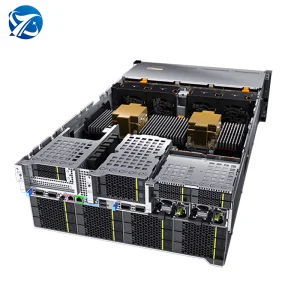
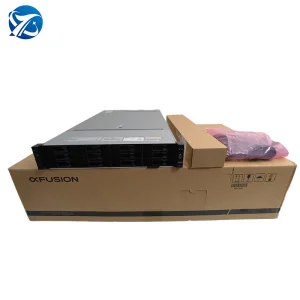
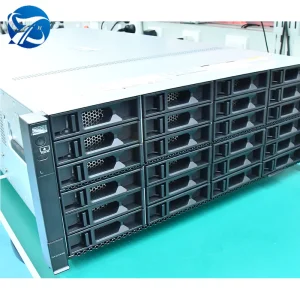
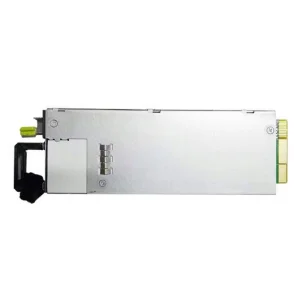
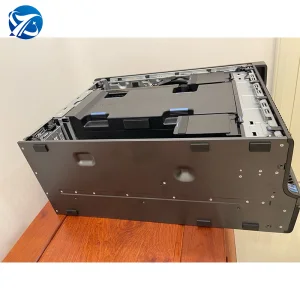
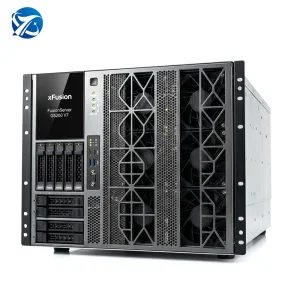
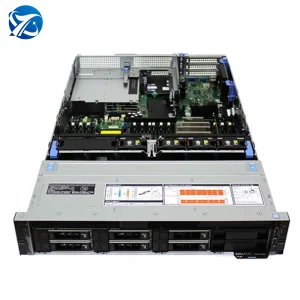
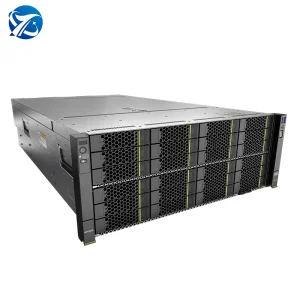
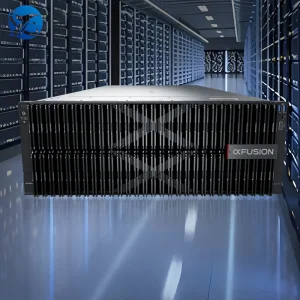
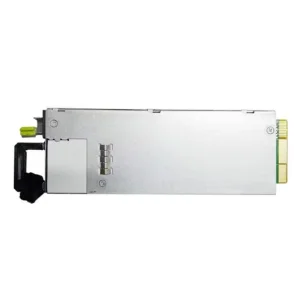
High-capacity array enclosures, modular power accessories, and scalable hardware platforms engineered for secure data center operations.