Cyntara
Cyntara
Cyntara
High-reliability components and modular hardware designed to operate continuously under heavy computational workloads.
Providing the critical bandwidth and latency-sensitive execution paths needed for massive scale cloud networks, AI models, and real-time database workloads.
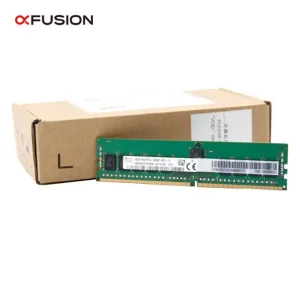
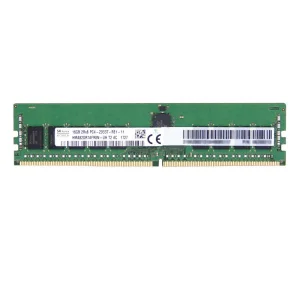
In modern high-performance computing (HPC) ecosystems, server memory is the ultimate bottleneck. CPU core counts are scaling dramatically, but computing power cannot be fully utilized if data execution pipelines are starved. Crucial architectural requirements demand a stable, high-density solution. Our mission at CyntaraAI is to eliminate these computational limits by manufacturing premium DDR5 RDIMM and DDR4 server RAM engineered for maximum availability, reduced energy profiles, and superior signal integrity.
Enterprise data centers are undergoing a rapid architectural migration. DDR5 memory introduces architectural changes that solve DDR4 bandwidth limitations. Understanding the core difference is essential for planning server procurement cycles:
Ensuring system stability, price predictability, and continuous operations across international enterprise platforms.
For cloud hyperscalers, database clusters, and financial servers, any memory module failure translates to costly downtime. Modern buyers require partners that provide 100% automated testing, system-level burn-in simulation, and strict ISO 9001 quality gates to prevent silent data corruption.
Geopolitical challenges and component bottlenecks put hardware deployments at risk. Sourcing memory from manufacturers with vast component networks ensures reliable lead times and price stability during chip shortages.
Off-the-shelf RAM modules often fail to meet specific requirements for custom edge servers, liquid-cooled setups, or legacy configurations. Hardware engineers need custom SPD configurations, heat-spreader designs, and specific component selections.
Leveraging CyntaraAI's production ecosystem, advanced manufacturing lines, and strict quality control processes.
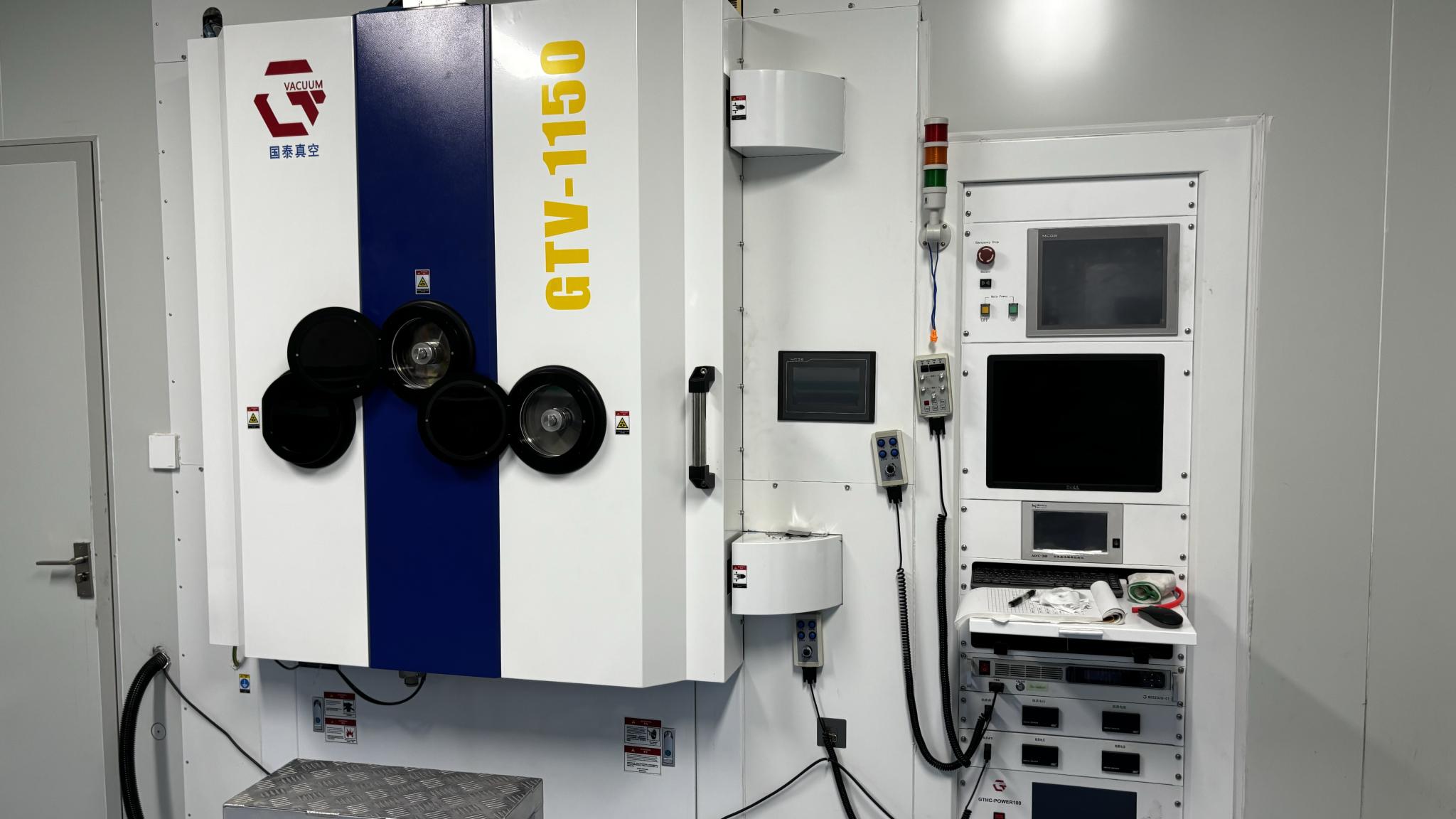
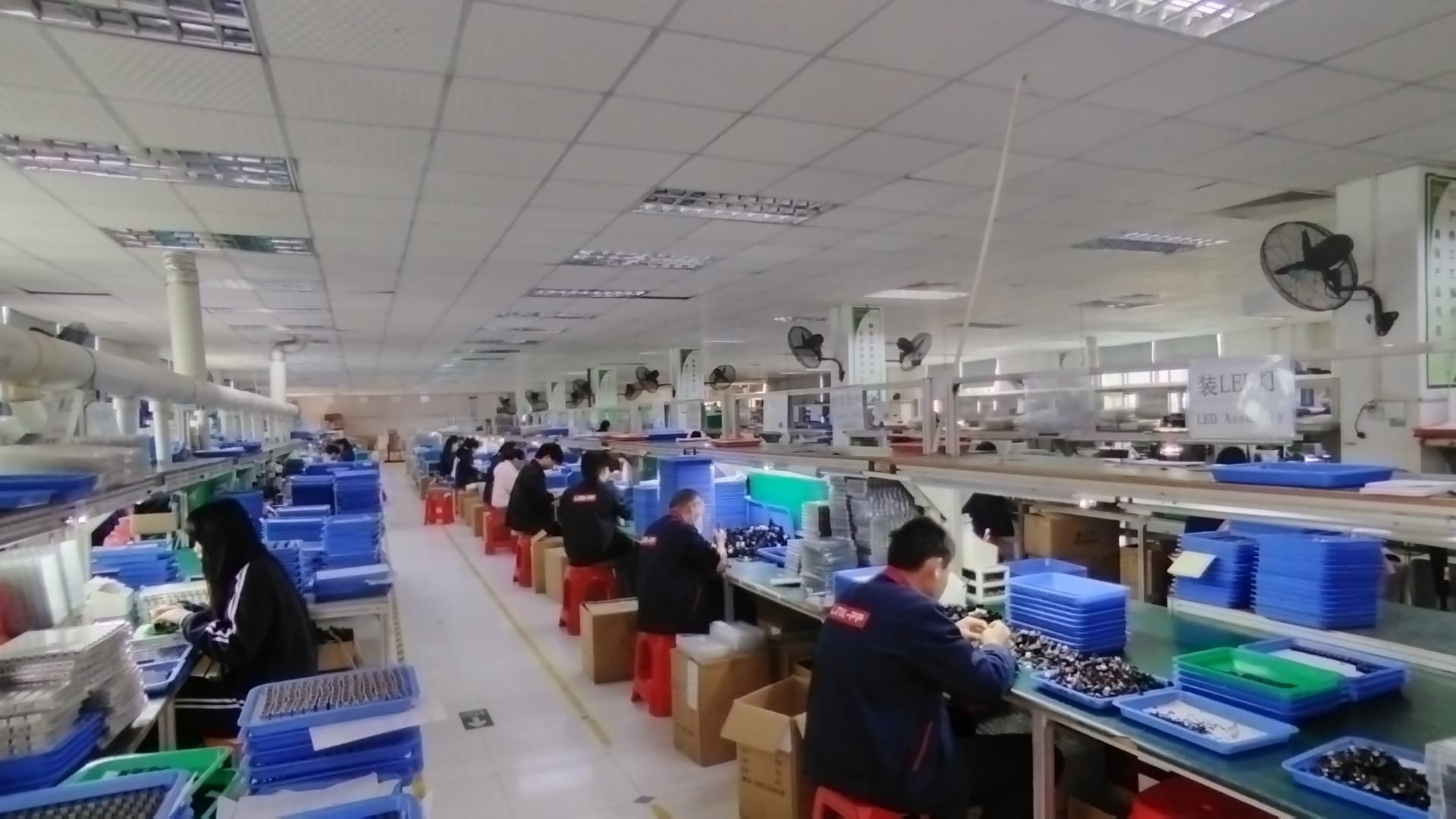
Based in our state-of-the-art 18,600㎡ R&D and production facility, Cyntara Technologies Inc (CyntaraAI) represents China's manufacturing modernization. By combining automated assembly lines, high-frequency signal testing, and deep vertical supply chain relationships, we deliver high-reliability server memory modules globally at scale.
Our dedicated engineering department focuses on signal integrity analysis, thermal modeling for liquid-cooled data centers, and advanced SPD firmware programming to ensure wide compatibility with modern Xeon and EPYC platforms.
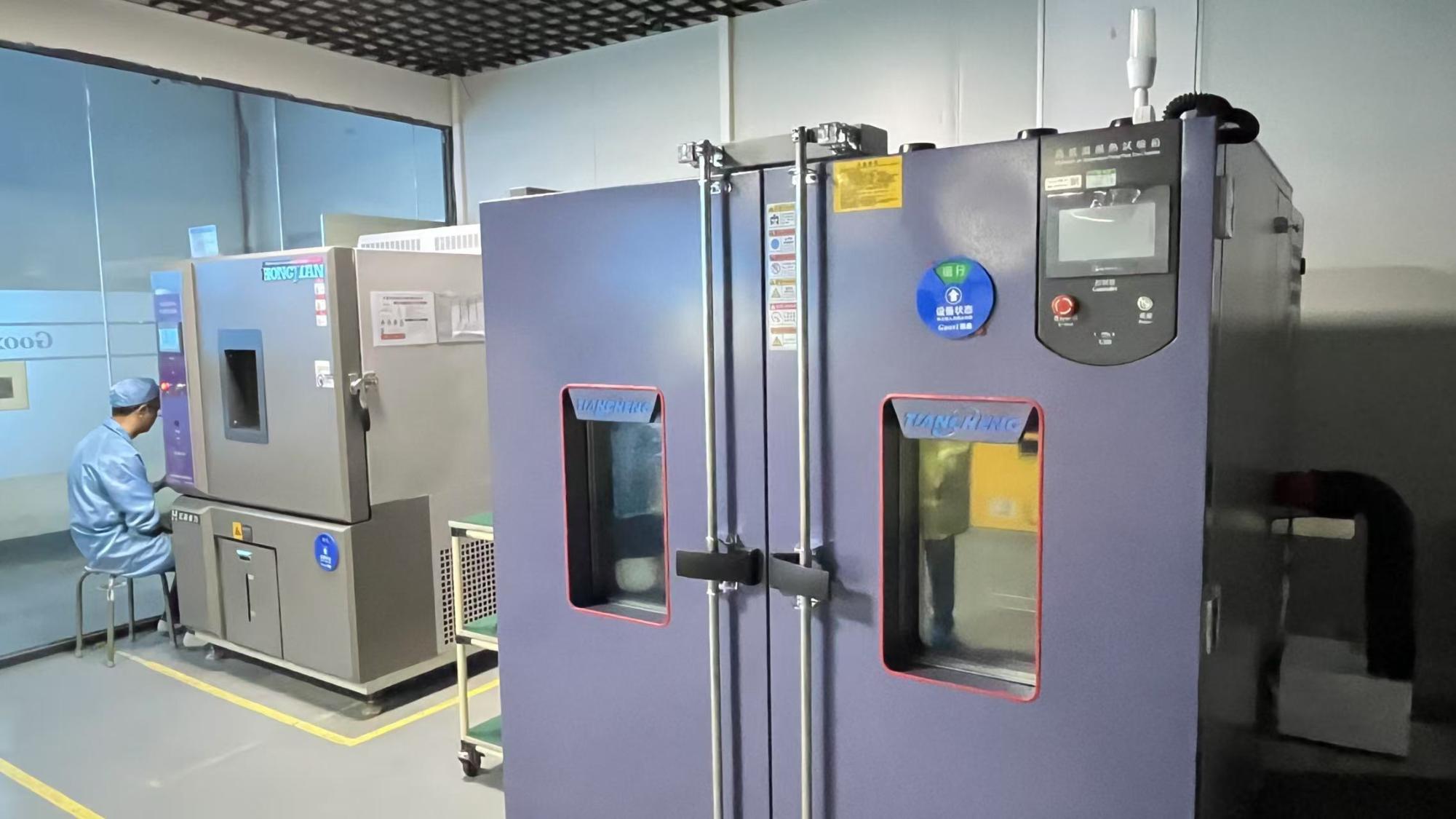
Managed by 45 QA inspectors, our testing process includes Automated Optical Inspection (AOI), X-ray component verification, physical drop tests, and thermal stress tests simulating continuous high-load operations.
Our production capabilities allow us to quickly implement design improvements, customize module designs for liquid cooling, and customize JEDEC profiles to match complex customer specifications.
Tailored performance configurations to meet the specific compliance, capacity, and density requirements of global regions.
North American enterprise networks prioritize maximum compute density and low latency. Hyperscalers require 64GB and 96GB DDR5 RDIMMs to support high-density virtualization, maximizing VM counts per CPU socket. For high-frequency trading platforms, our engineering team optimizes SPD profiles to lower response times, ensuring rapid data throughput.
With strict GDPR rules, European organizations rely heavily on local private clouds and sovereign hardware. Our memory solutions feature advanced ECC functions to prevent data corruption and ensure data integrity. In industrial IoT and automation settings across Germany and Northern Europe, our ruggedized, wide-temperature memory designs deliver stable operation in challenging environments.
With smart cities and localized edge computing growing rapidly across Southeast Asia and the GCC region, environments often lack the cooling of traditional data centers. CyntaraAI’s memory modules feature efficient PMICs and optimized thermal spreaders, ensuring reliability even under warmer edge-computing conditions.
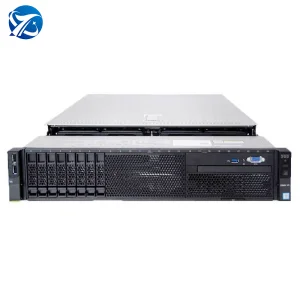
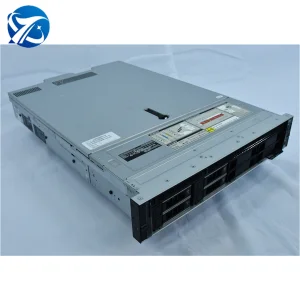
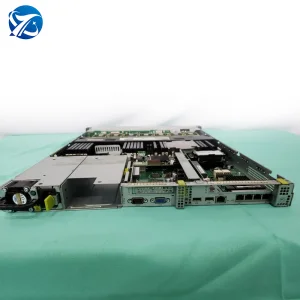
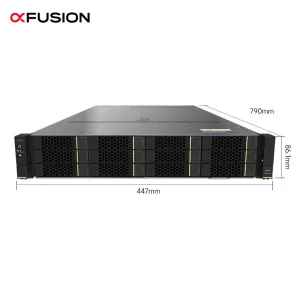
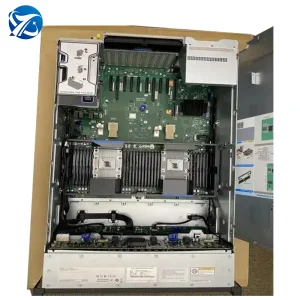
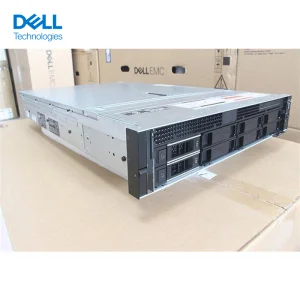
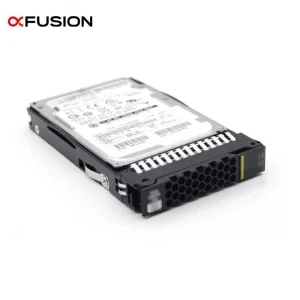
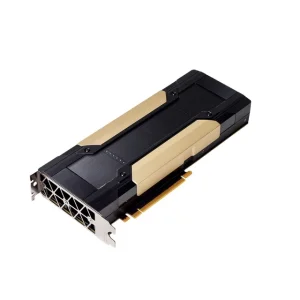
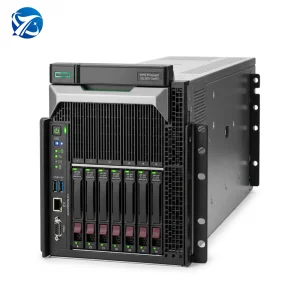
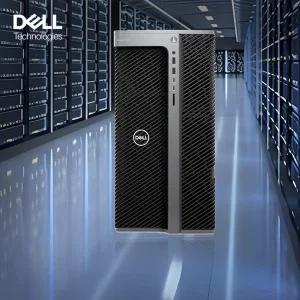
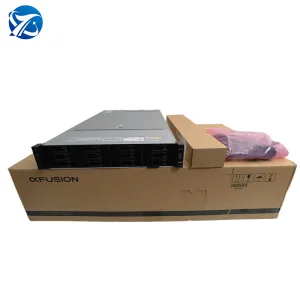
Explore our selection of enterprise servers, SSDs, HDDs, and custom hardware accelerators.
Detailed technical answers addressing B2B procurement queries and enterprise hardware specifications.
A look inside CyntaraAI's advanced manufacturing and testing facility.