Cyntara
Cyntara
Cyntara
High-density computing servers configured for maximum thermodynamic balance and efficient rack integration.
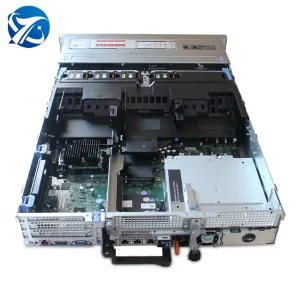
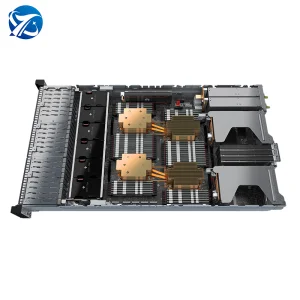
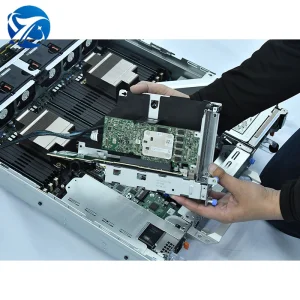
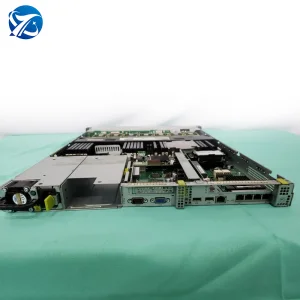
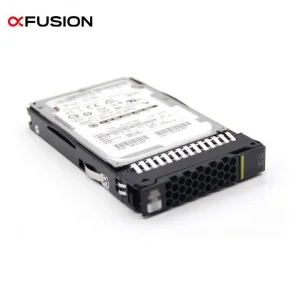
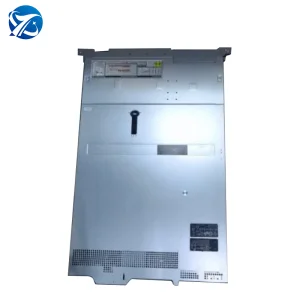
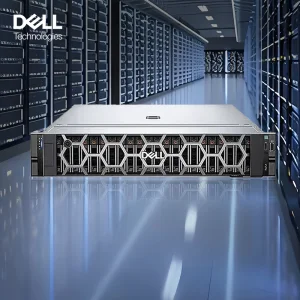
As the global reliance on High-Performance Computing (HPC), Artificial Intelligence, and machine learning models escalates, standard mechanical ventilation frameworks have reached their physical operational limitations. Modern dense computing clusters, driven by multi-socket processing cores and intensive graphics Processing Unit (GPU) arrays, generate localized thermal loads that exceed the dissipation threshold of traditional air-based heat exchangers. Server cooling systems have evolved from auxiliary hardware modules into crucial components of server architecture that directly dictate compute density, system availability, and data center energy efficiency.
Globally, industrial server architectures are experiencing a rapid migration toward hybrid and closed-loop direct liquid cooling (DLC) configurations. In countries aiming to comply with rigid carbon neutrality policies, regulatory agencies are setting maximum permissible Power Usage Effectiveness (PUE) ratios below 1.2. Because thermal management accounts for more than 30% of average data center power footprints, modern system architectures rely heavily on CE certified, leak-proof liquid-to-air and liquid-to-liquid CDUs (Coolant Distribution Units) to minimize localized thermal resistance, sustain thermal stability, and prolong the lifespan of semiconductor components.
Compute rack deployments are scaling from standard 10kW capacities to dense configurations exceeding 40kW to 100kW per rack cabinet, necessitating precision cooling solutions.
Compliance with EU electromagnetic compatibility directives, low voltage directives, and safety frameworks ensuring reliability under high electrical loads.
Dual-pump redundancies and auto-switching flow controllers prevent unexpected system downtime in critical enterprise data center environments.
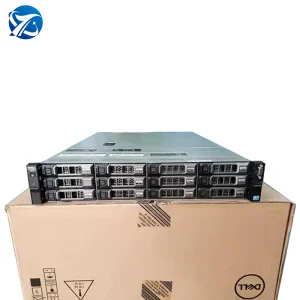
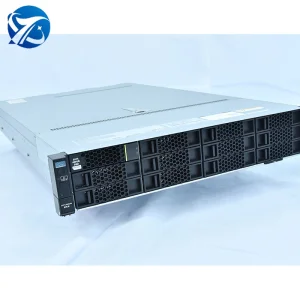
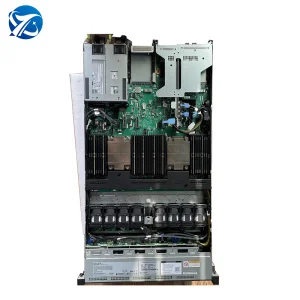
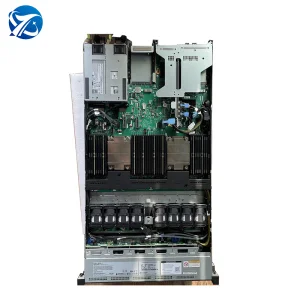
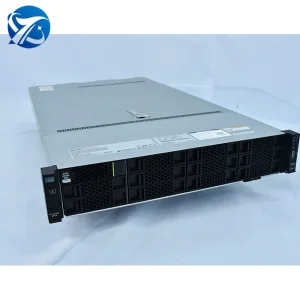
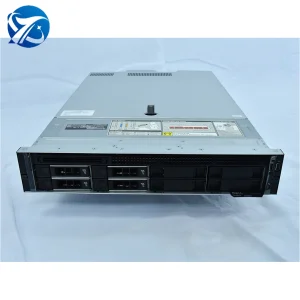
To support high-compute systems like Dell PowerEdge R960, R760, and xFusion FusionServer series platforms, custom system configurations utilize a multi-layered thermodynamic strategy. From direct-contact CPU copper blocks to complete chassis air-ducting architectures, the goal remains the reduction of the thermal resistance path (Rjc - Junction to Case). The structural layout of hardware involves several critical topologies:
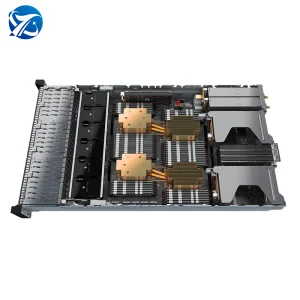
This design utilizes high-conductivity copper microchannel cold plates directly secured over the server processors (CPUs/GPUs). A dielectric or non-conductive coolant mixture absorbs heat and channels it away via quick-disconnect valves to external dry coolers. This configuration allows data centers to operate with higher intake water temperatures, reducing or eliminating the need for energy-demanding compressor chillers.
Immersion cooling involves submerging entire server blades inside a bath of dielectric fluid. In single-phase systems, the fluid circulates via pumps to a heat exchanger. In two-phase systems, the low-boiling-point fluid vaporizes upon contact with hot components, condenses on a cold plate at the top of the sealed enclosure, and falls back as fluid, creating a highly efficient thermodynamic cycle.
Engineers optimize thermal performance by using CFD (Computational Fluid Dynamics) simulations to position internal air baffles, select optimal fan curves, and design custom heat sinks. This approach guarantees that critical secondary components like system memory (DDR5), solid-state drives (SSDs), and voltage regulator modules (VRMs) remain within safe operating temperatures, even during peak server performance.
Cyntara Technologies Inc (Brand: CyntaraAI, Website: https://cyntaraai.com) is an industry-leading AI GPU server manufacturer specializing in high-performance computing infrastructure for global AI and data center applications.
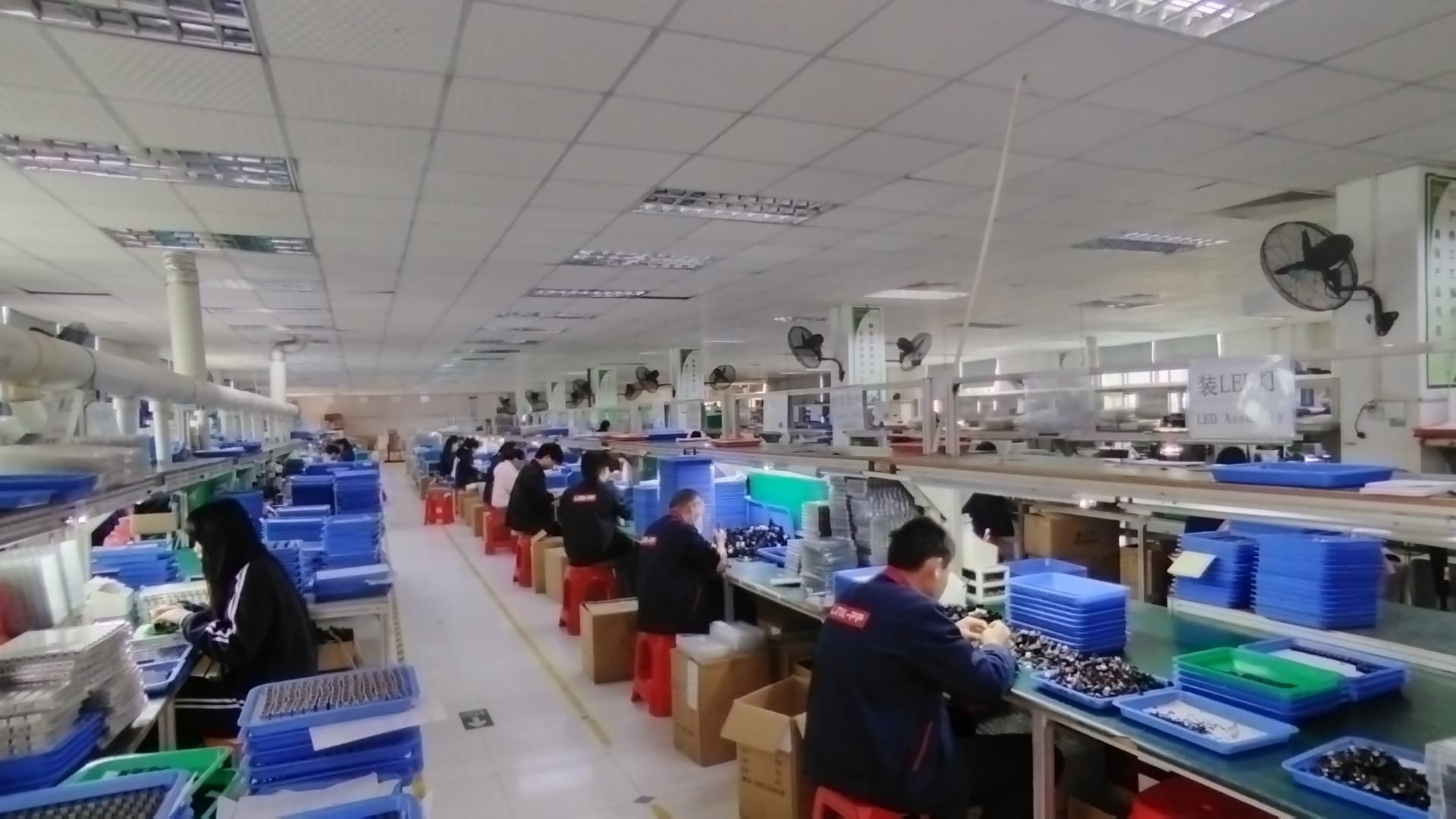
Registered on August 15, 2016, CyntaraAI operates a state-of-the-art manufacturing and R&D facility with a total footprint of approximately 18,600㎡. With 12 years of industry experience and 7 years of export history, the company has built a reputation in the international AI hardware market. CyntaraAI achieves an annual export revenue of approximately USD 18 million, supported by a global B2B partnership network and stable supply chains comprising over 860 partners.
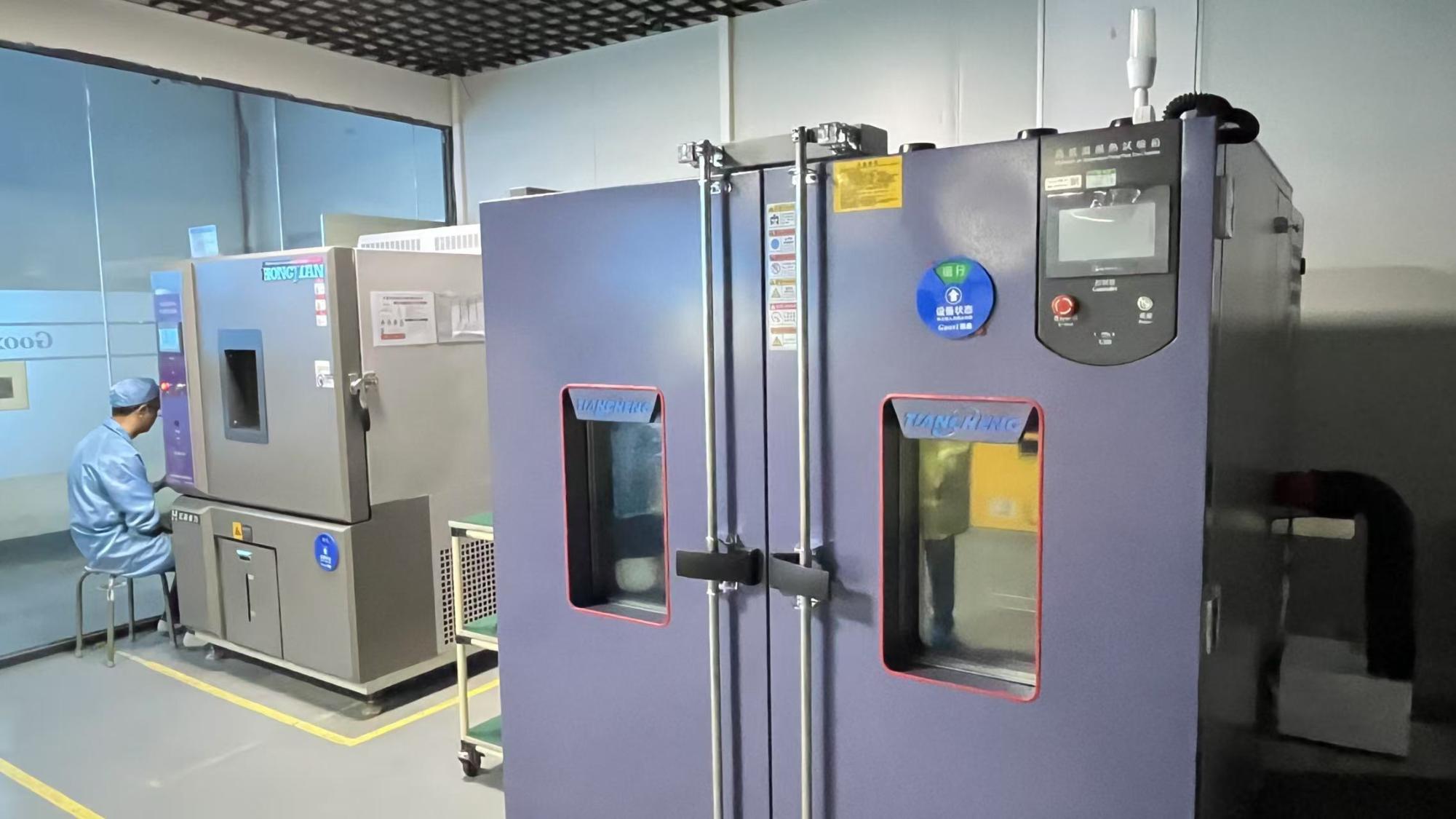
CyntaraAI maintains ISO 9001 certification. Quality control operations involve complete inspection processes and Acceptable Quality Level (AQL) sampling methods. Testing protocols include extensive system burn-in testing, thermal stress testing under real-world server workloads, and automated optical inspection (AOI) to prevent board-level manufacturing defects.
Our dedicated quality assurance division features approximately 45 inspectors who oversee every phase of production, from raw component intake to final product packaging and container dispatch.
Backed by a team of approximately 160 engineers, CyntaraAI excels in GPU cluster architecture optimization, dense compute nodes design, liquid loop thermal management systems, and firmware-level engineering. The team offers customized server configuration modifications, custom chassis optimization, and optimized BIOS/BMC firmware profiles. Over the past year, CyntaraAI successfully introduced 120 new configurations, expanding its commercial portfolio to meet evolving customer needs.
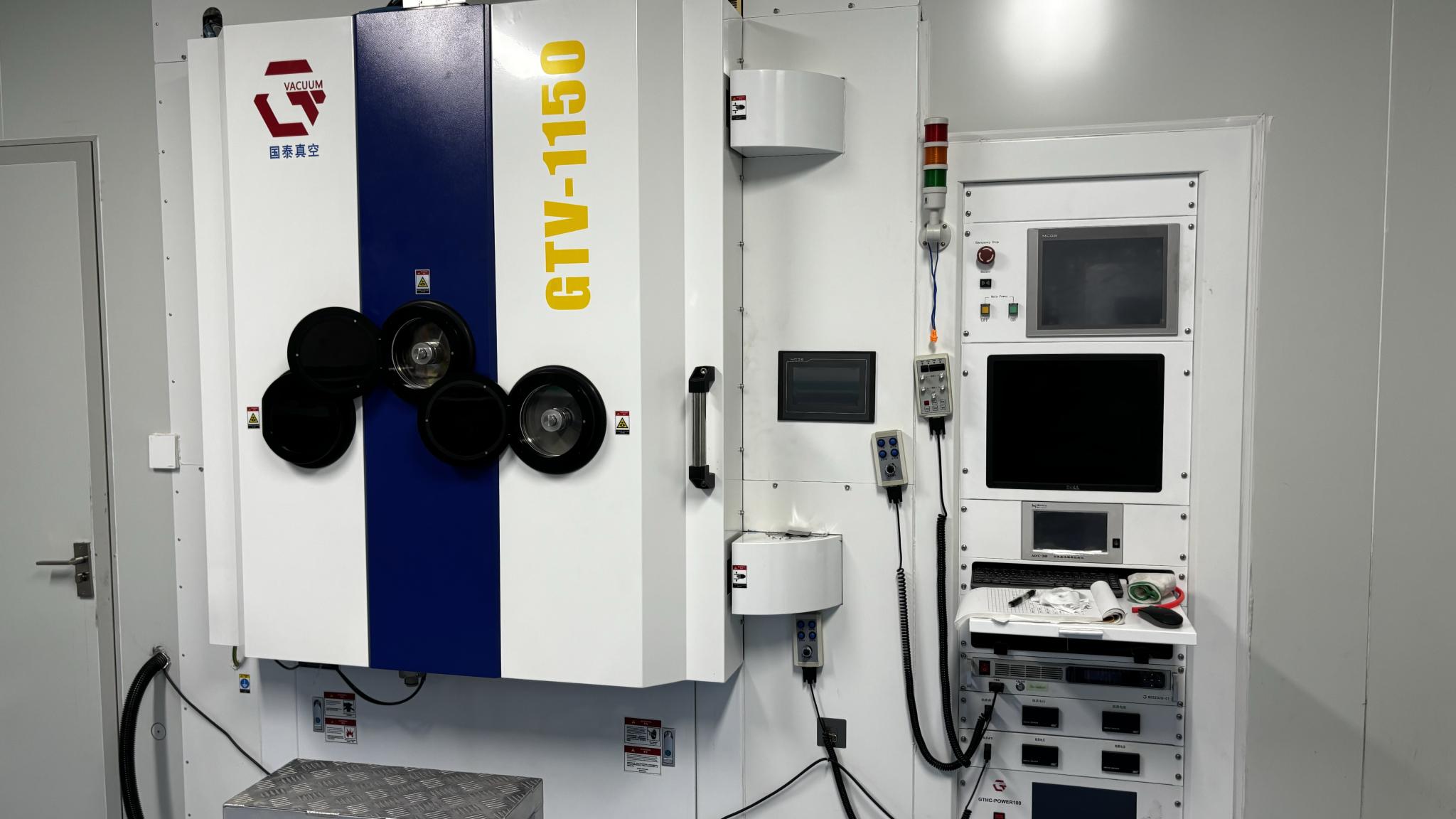

Data centers operate under distinct climate conditions, legal mandates, and business structures. Selecting a cooling strategy requires matching hardware specifications with the specific operational environment.
For hyperscale providers running multi-tenant nodes, reducing operational expenditure is a primary driver. In these scenarios, dry cooler loops and free-cooling designs are commonly utilized. Systems leverage outside air conditions to cool server water loops, bypassing mechanical chillers for most of the year. This approach delivers low PUE ratings and supports sustainable scaling.
AI training clusters running large language models (LLMs) push modern hardware to its limits. Deploying high-performance GPU configurations (such as standard 4U, 8-GPU chassis) requires high airflow volumes or direct fluid loops. Liquid-assisted air-cooling (LAAC) systems combine cooling plates for primary chips with direct airflow to secondary electronics, preventing localized heat build-up and maintaining system performance.
Deploying servers in industrial settings, telecom stations, or remote offices presents challenging ambient environments. Dust, moisture, and high temperatures degrade standard hardware quickly. Closed-loop, dust-proof heat exchangers protect internal systems by transferring heat without drawing external air directly into the server chassis, ensuring long-term reliability.
Operating as a global manufacturer and exporter requires navigating complex international trade requirements and environmental directives. CyntaraAI tailors its server systems to meet regional standards:
Deep engineering insights addressing structural, operational, and regulatory aspects of server thermal management.
The CE marking verifies that the hardware complies with safety, health, and environmental standards of the European Economic Area (EEA). For liquid cooling systems, compliance includes the Machinery Directive (fluid circulation hardware), the Low Voltage Directive (for pumps, sensors, and control modules), and the EMC Directive. This ensures safety for operators and protects nearby electronic infrastructure from electromagnetic interference.
Systems feature double-sealed, dripless quick-disconnect couplings alongside non-conductive dielectric fluid options. Built-in moisture detection loops positioned underneath the server plates register any drop in operating pressure, allowing the system controller to notify operators or trigger automated shut-offs before fluid reaches electrical components.
Direct-to-Chip uses closed loops to pump coolant directly over high-heat components via specialized thermal plates, leaving other system parts to be cooled by standard airflow. Immersion cooling submerges the entire server node in a dielectric fluid bath, cooling all components uniformly and removing the need for internal fans, which lowers overall energy consumption.
While high-performance processors generate the majority of thermal energy, flash-based storage drives (SSDs) are sensitive to ambient temperatures. In fully closed configurations, specialized aluminum heatsinks and directed air channels help dissipate heat from SSD clusters, preventing thermal throttling and maintaining consistent storage read-write speeds.
Yes. Using retrofit kits, the standard CPU heatsinks are replaced with liquid cold plates. The cooling loops connect to external manifold systems, allowing data centers to transition to liquid cooling without replacing their existing server racks.
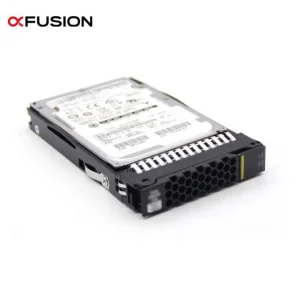
High-capacity storage drives and specialized AI GPU nodes designed for high data throughput and thermal reliability.