Cyntara
Cyntara
Cyntara
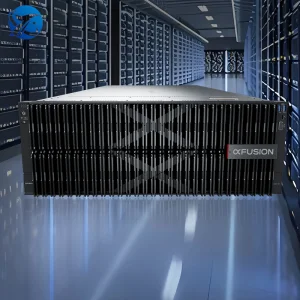
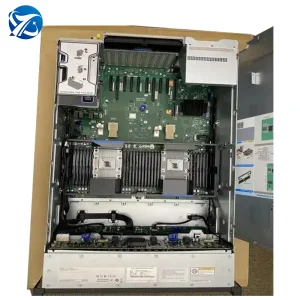
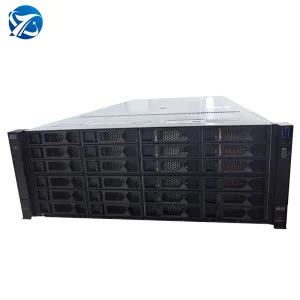
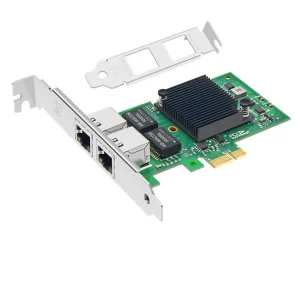
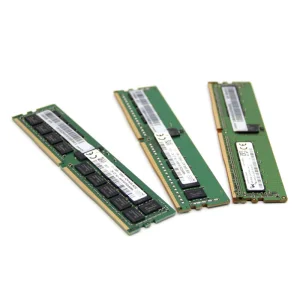
The global enterprise security perimeter is moving rapidly from software-defined policies directly down to the physical silicon. In an era dominated by hyper-scale AI virtualization, deep learning architectures (such as DeepSeek and other LLM deployments), and distributed clouds, conventional security firewalls are no longer sufficient. Modern workloads require complete Confidential Computing models that isolate sensitive operations inside secure hardware enclaves.
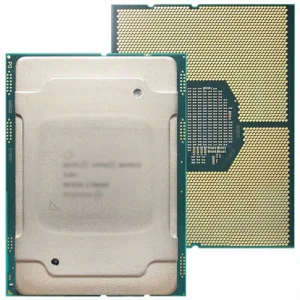
Hardware security vulnerability surfaces have expanded. Advanced persistent threats (APTs) target raw firmware, Baseboard Management Controllers (BMCs), boot sectors, and memory buses. Server hardware manufacturers must now build solutions containing physical RoT (Root of Trust), secure cryptoprocessors (TPM 2.0), automated platform recovery, and encrypted memory architectures. When deploying GPU-accelerated computing nodes, selecting a security-conscious supplier is the single most critical procurement decision for protecting sensitive IP and user data.
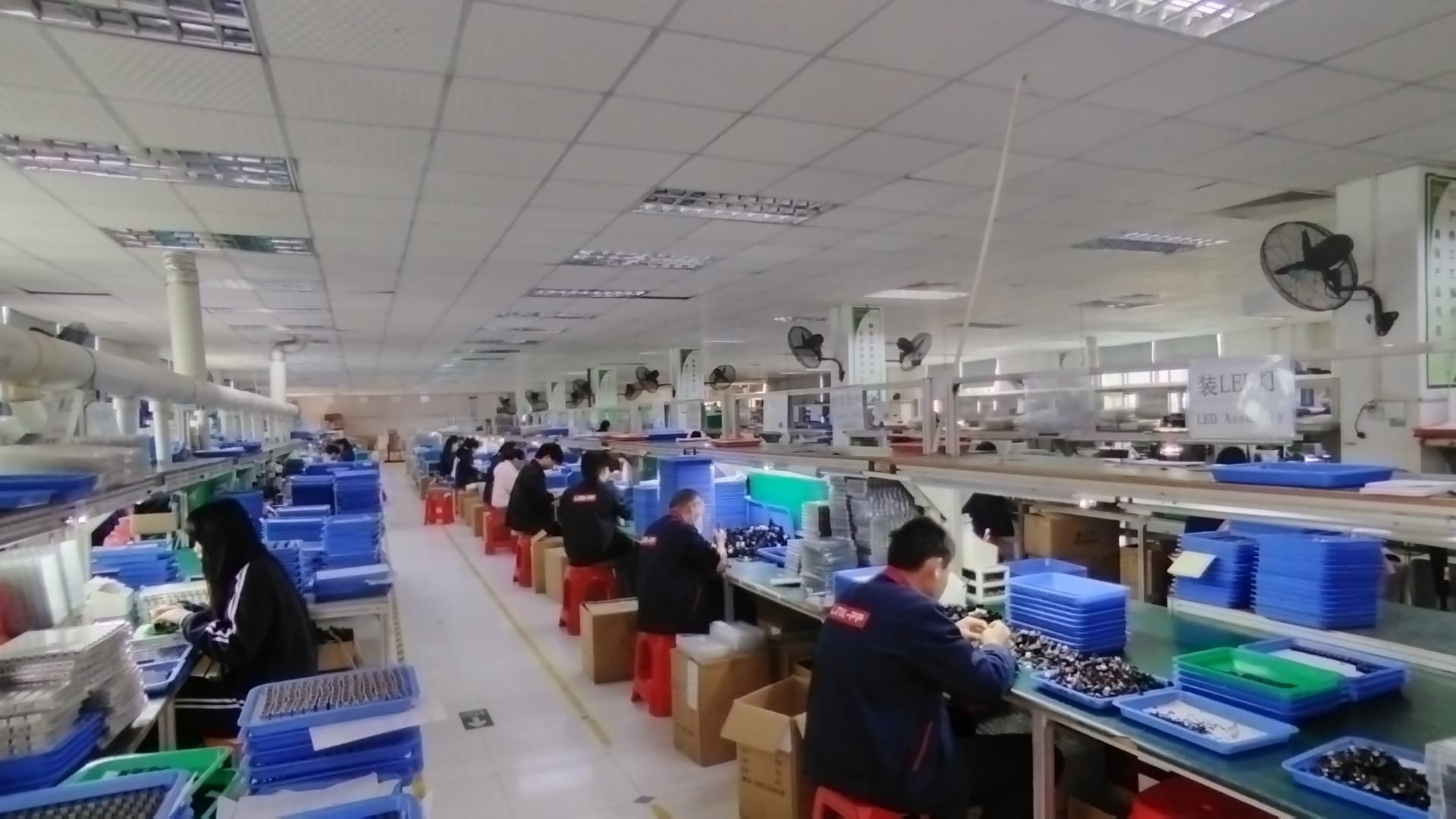
For global enterprises requiring massive infrastructure scale, Cyntara Technologies Inc (operating the premium CyntaraAI brand) combines cutting-edge AI server architectures with the unrivaled speed, component availability, and cost-efficiency of Chinese supply chains. Over 12 years of specialized hardware iteration has enabled Chinese design clusters to perfect rapid-turnaround custom fabrications. By maintaining direct integration with tier-1 silicon foundries, memory makers, and chassis stamping factories, CyntaraAI dramatically shortens the development cycle for advanced servers.
This localized efficiency is not merely about cheap manufacturing; it is about continuous supply chain engineering. While Western integration models can face lead times exceeding 6 to 9 months for customized high-density configurations, our localized industrial cluster in China leverages a massive base of approximately 860 qualified supply chain partners. This allows CyntaraAI to design, test, optimize, and export high-performance hardware configurations with unparalleled structural speed, launching up to 120 new products annually.
Server security demands vary extensively across different commercial sectors. A one-size-fits-all hardware topology inevitably leads to resource waste or critical security vulnerability gaps:
Dynamic runtime memory encryption isolating processes in secure hardware enclaves, shielding live data pools from virtualization hypervisor attacks.
Silicon Platform Firmware Resilience (PFR) continuously monitoring boot code and BMC operations to detect and repair firmware injection attempts.
Advanced direct-to-chip liquid cooling systems paired with automatic fluid leak detection pathways to safeguard ultra-dense GPU rack nodes.
Enterprise procurement divisions targeting structural server security must evaluate critical quality indicators beyond price lists. For scale operations, the primary threat is component failure leading to down-time or physical vulnerabilities. CyntaraAI mitigates procurement risk via rigid, multi-layered quality control systems aligned with the strict ISO 9001 paradigm:
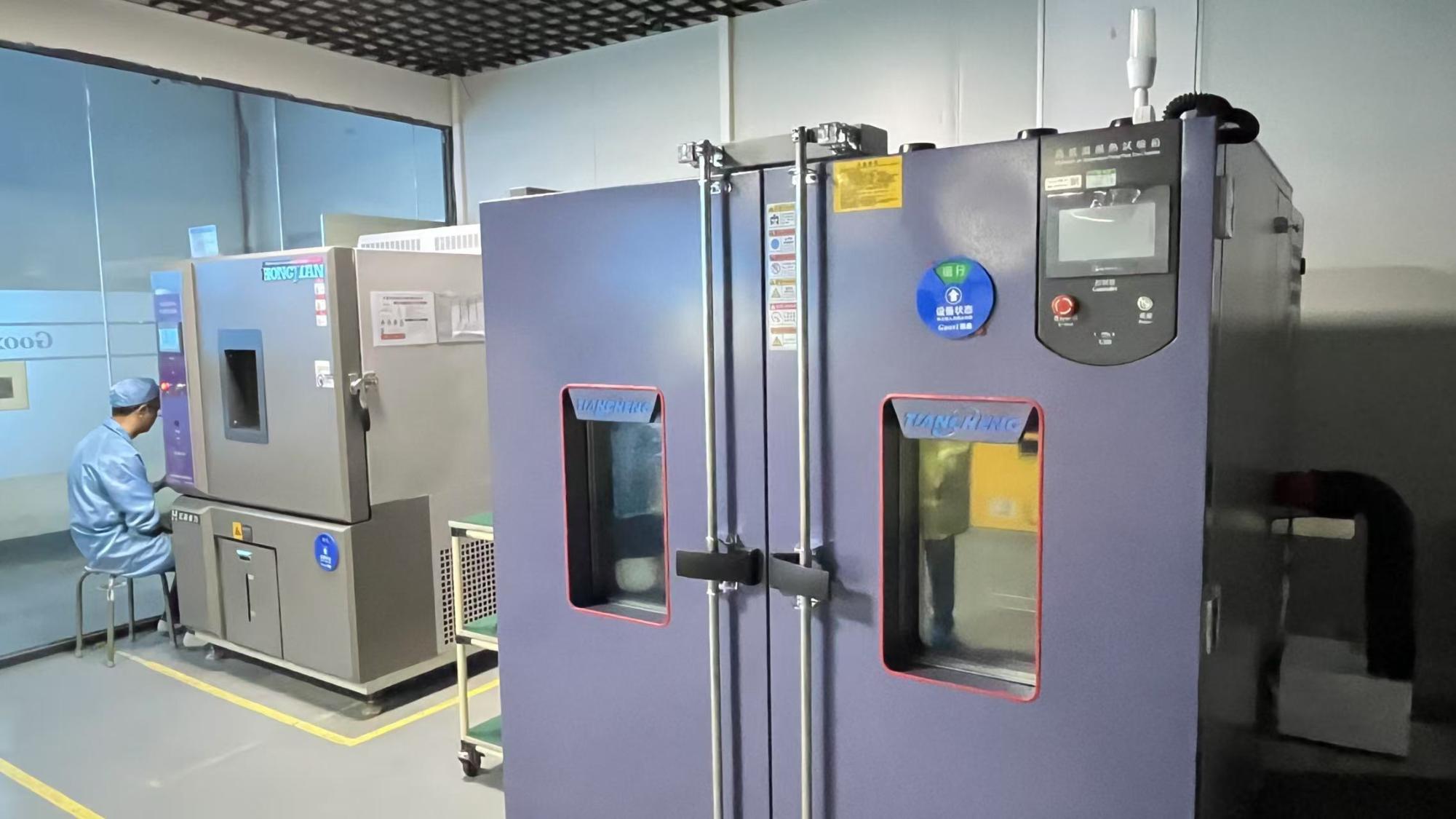
Our Quality Assurance process includes comprehensive automated testing. Every single computing chassis undergoes rigorous physical burn-in chamber validation, thermal cycling stresses, and Automated Optical Inspection (AOI) to eliminate structural board faults before shipment.
With an engineering division containing approximately 160 R&D professionals, CyntaraAI designs custom BIOS architectures, secure custom chassis configurations, specialized RAID controllers, and optimized liquid cooling blocks tailored exactly to client system environments.
Operating a facility of 18,600㎡, our logistics division ensures global export compliance. CyntaraAI implements clean-chain packaging and secure logistics networks to prevent intercept tampering during transit, protecting global customer sites in North America, Europe, Southeast Asia, and the Middle East.
We partner with approximately 860 authorized supply chain sources, verifying tracking codes of critical silicon microprocessors, secure elements, and controllers. Every component batch is registered, inspected, and cross-referenced. No grey-market silicon is ever integrated into our assembly operations.
Our 45-inspector quality control division carries out intensive validation. This includes full-chassis thermal load stress cycles, component electrical tolerances profiling, continuous high-temperature burn-in trials, and custom firmware vulnerability scans.
Yes. Through our OEM/ODM design engineering framework, our R&D division configures custom UEFI BIOS structures, disables insecure legacy communication interfaces, signs custom firmware keys, and enables dedicated BMC networks to isolate administrative functions.
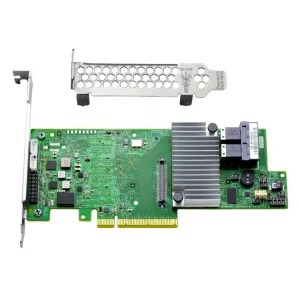
We offer hardware-encrypted NVMe backplanes and RAID controllers (e.g., LSI 9560-16i with 8GB cache). These devices handle hardware-accelerated encryption keys natively, ensuring that even in physical theft events, hard drive blocks cannot be accessed without correct signatures.